What makes Cuban cigars unique
The history of Cuban cigars
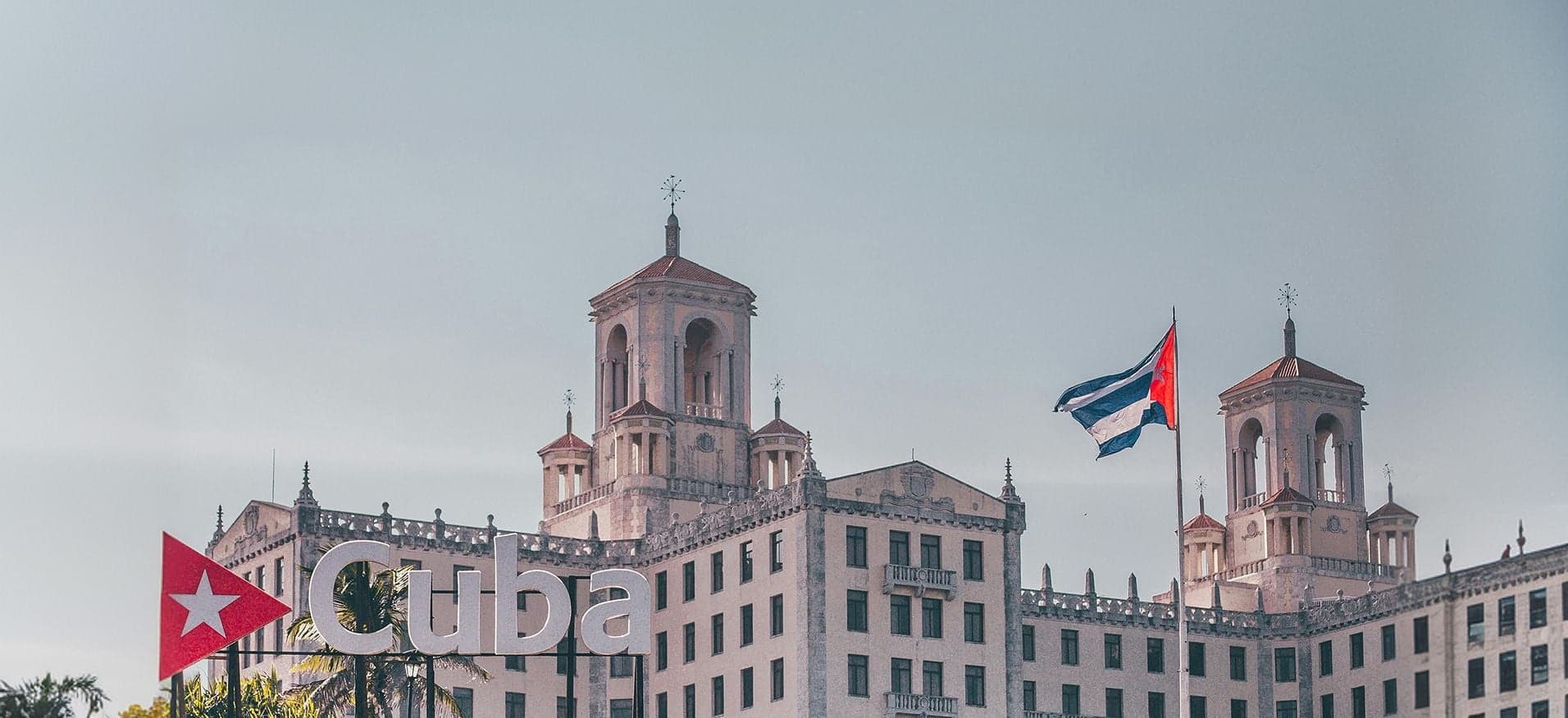
Cuban cigar manufacturing has existed for more than five centuries. When Christopher Columbus arrived in Cuba in 1492, he found that the local population smoked tobacco during rituals and in everyday life. Since then, tobacco has become a key economic and cultural element of Cuba. In the 19th–20th centuries, Cuba became the world leader in premium cigar production — a status it still holds.
Unique tobacco and growing conditions
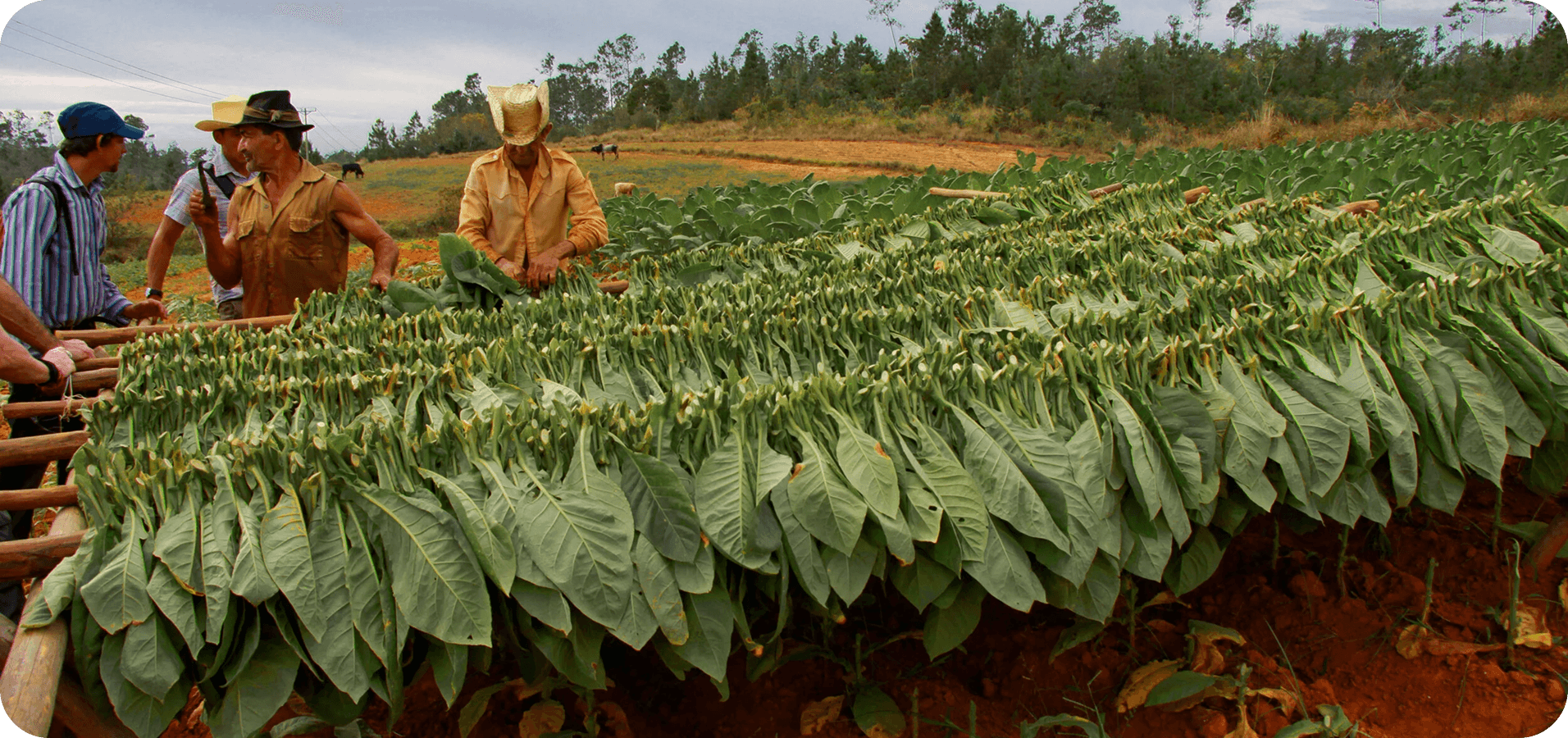
The key ingredient is Vuelta Abajo tobacco from Pinar del Río province.
This region has a distinctive terroir:
- Fertile limestone soil
- Humid tropical climate
- Natural balance of sun and shade
These conditions cannot be replicated elsewhere. As a result, Cuban tobacco maintains unique flavor, aroma and strength.
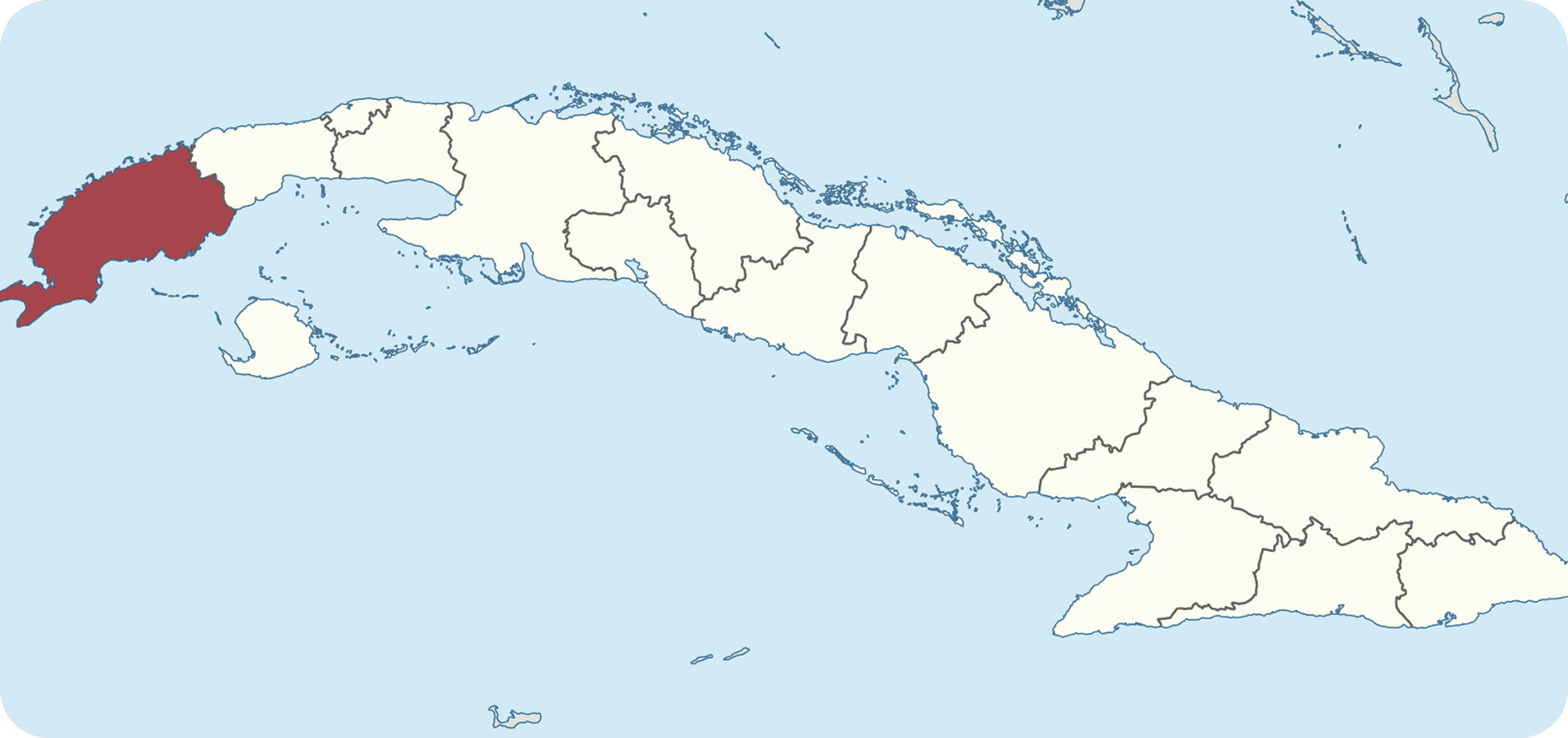
Pinar del Río province
Craftsmanship and production process
Hand-rolled tradition
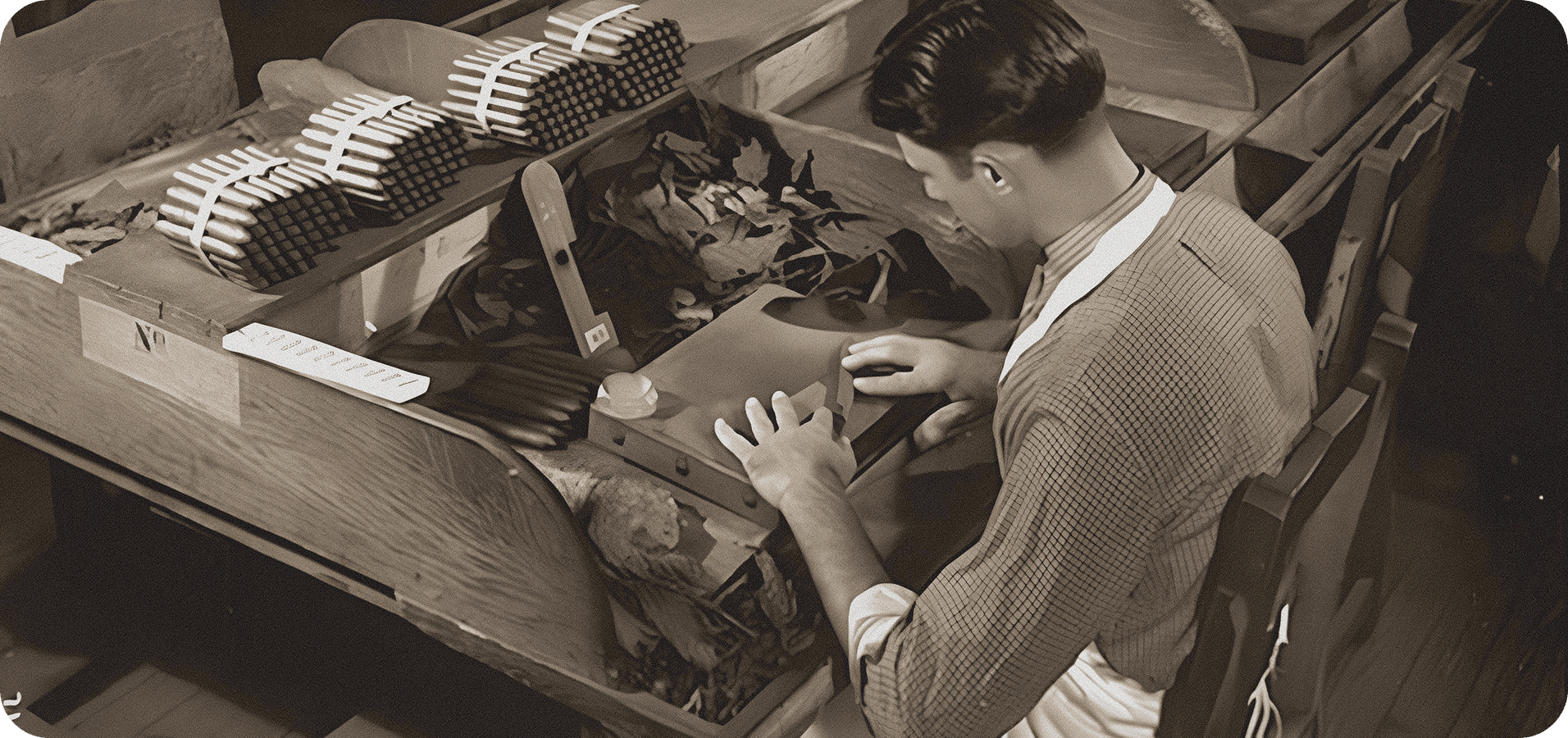
All authentic Cuban cigars are hand-rolled and fully handmade.
Master rollers spend years training to achieve precision in rolling different cigar formats. Every tobacco leaf — filler, binder and wrapper — is selected by hand to ensure proper draw, density and form. This level of craftsmanship is a part of long-established tradition.
Quality control standards
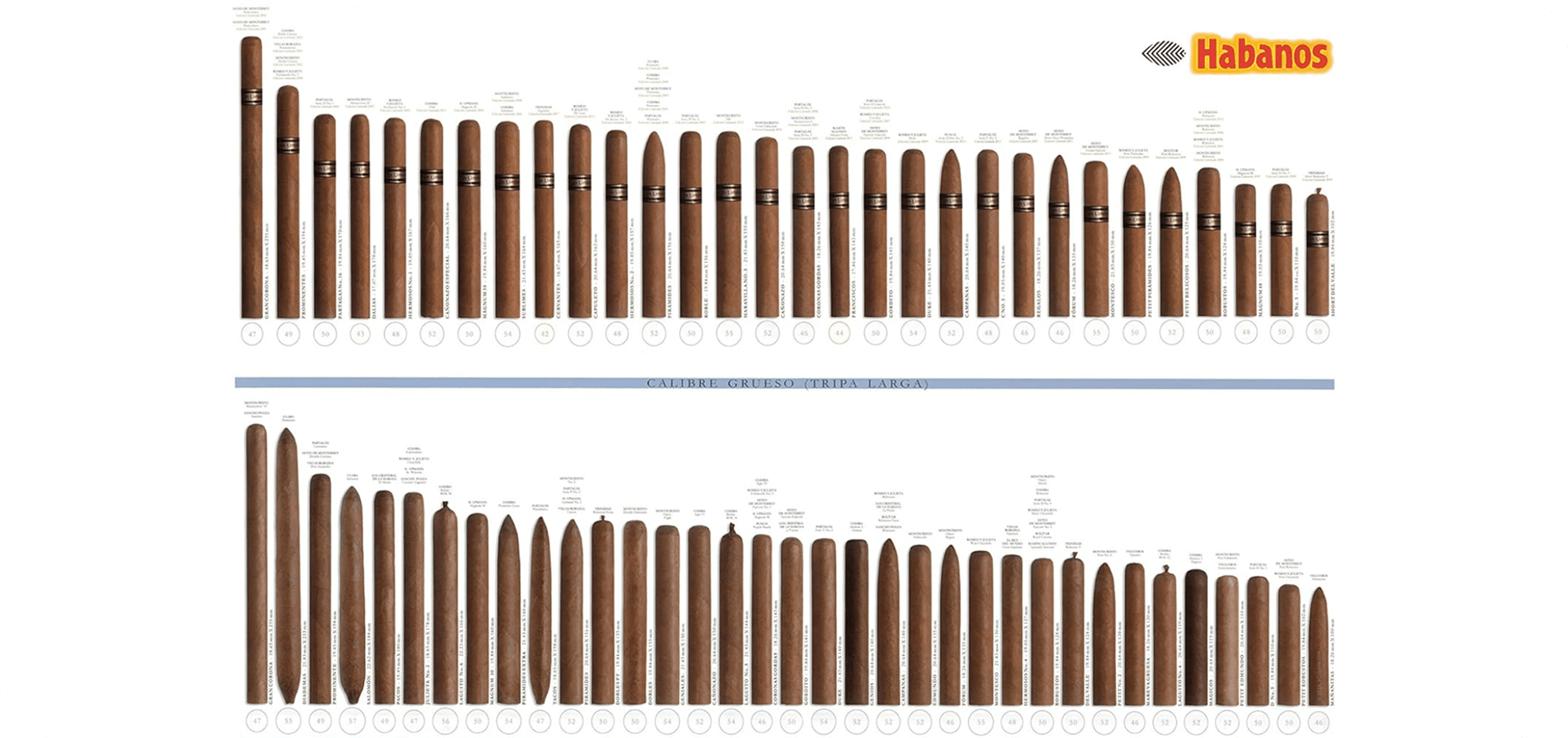
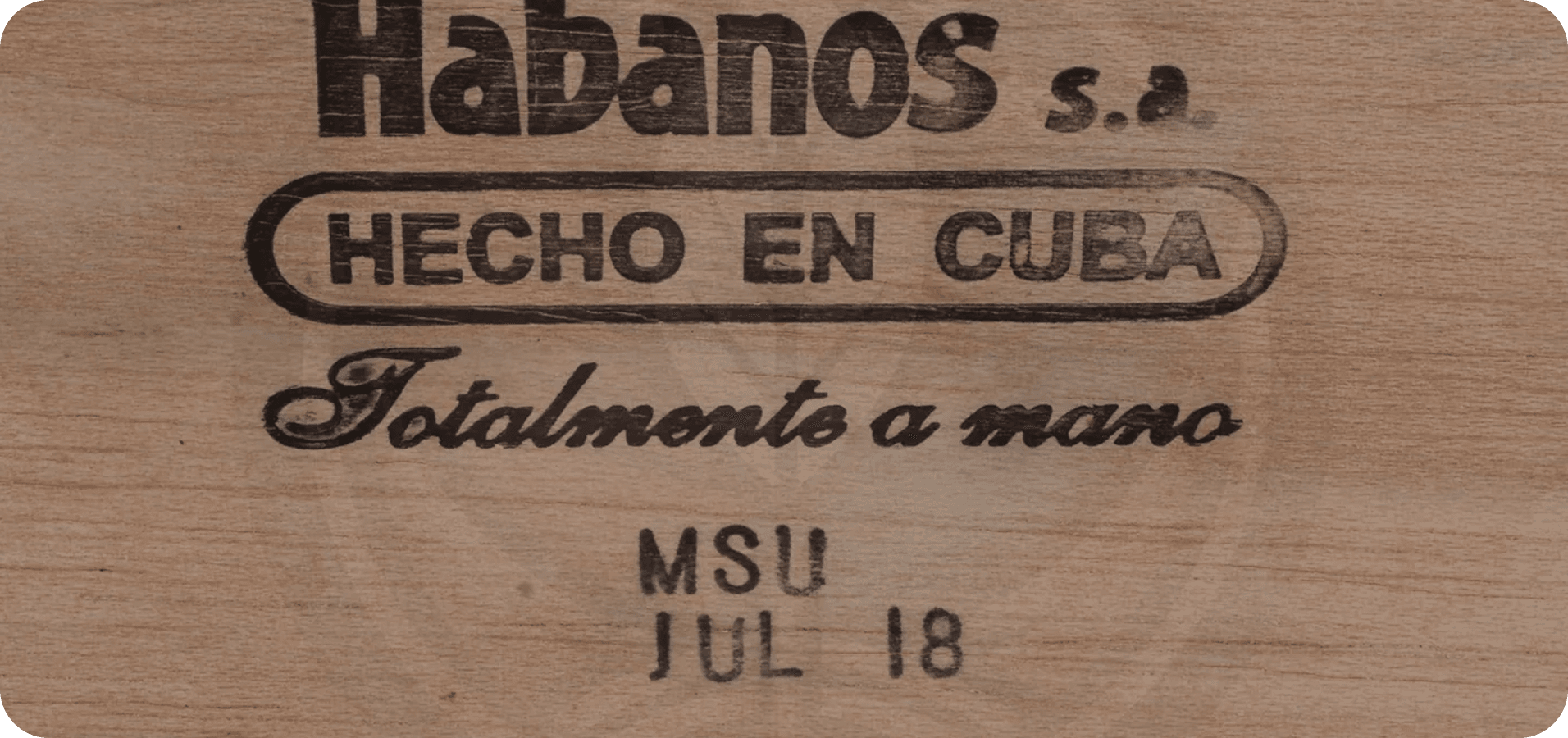
The state-owned company Habanos S.A. supervises production.
Every batch goes through strict quality-control:
- Correct vitola size and format
- Uniform filling
- Clean wrapper leaf
- Consistent taste and aroma
Only cigars that meet these standards reach the market.
Flavor profile and smoking experience
Distinctive taste characteristics
Different brands and formats provide their own character — from light and aromatic to strong and aged blends.
Generally, all Cuban tobacco offers:
How aging affects Cuban cigars
Aging softens the taste and removes harsh edges. Aromatic notes deepen, and nuances of sweetness, leather and nuts appear. Properly stored cigars reach peak quality after 5–10 years, which is why aged Cuban cigars are valued by collectors and often become part of a premium collection.
Generally, all Cuban tobacco offers
Rich, balanced taste
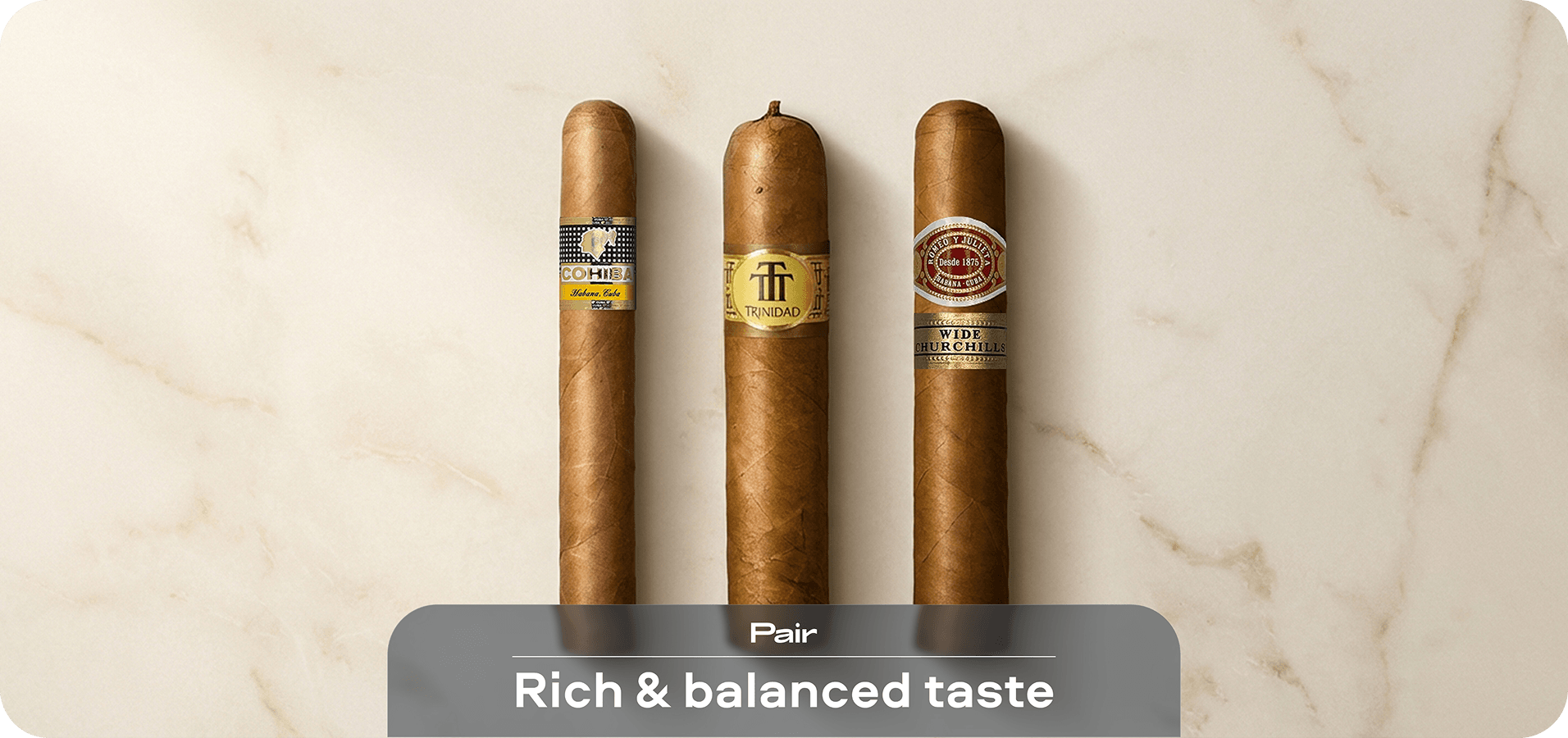
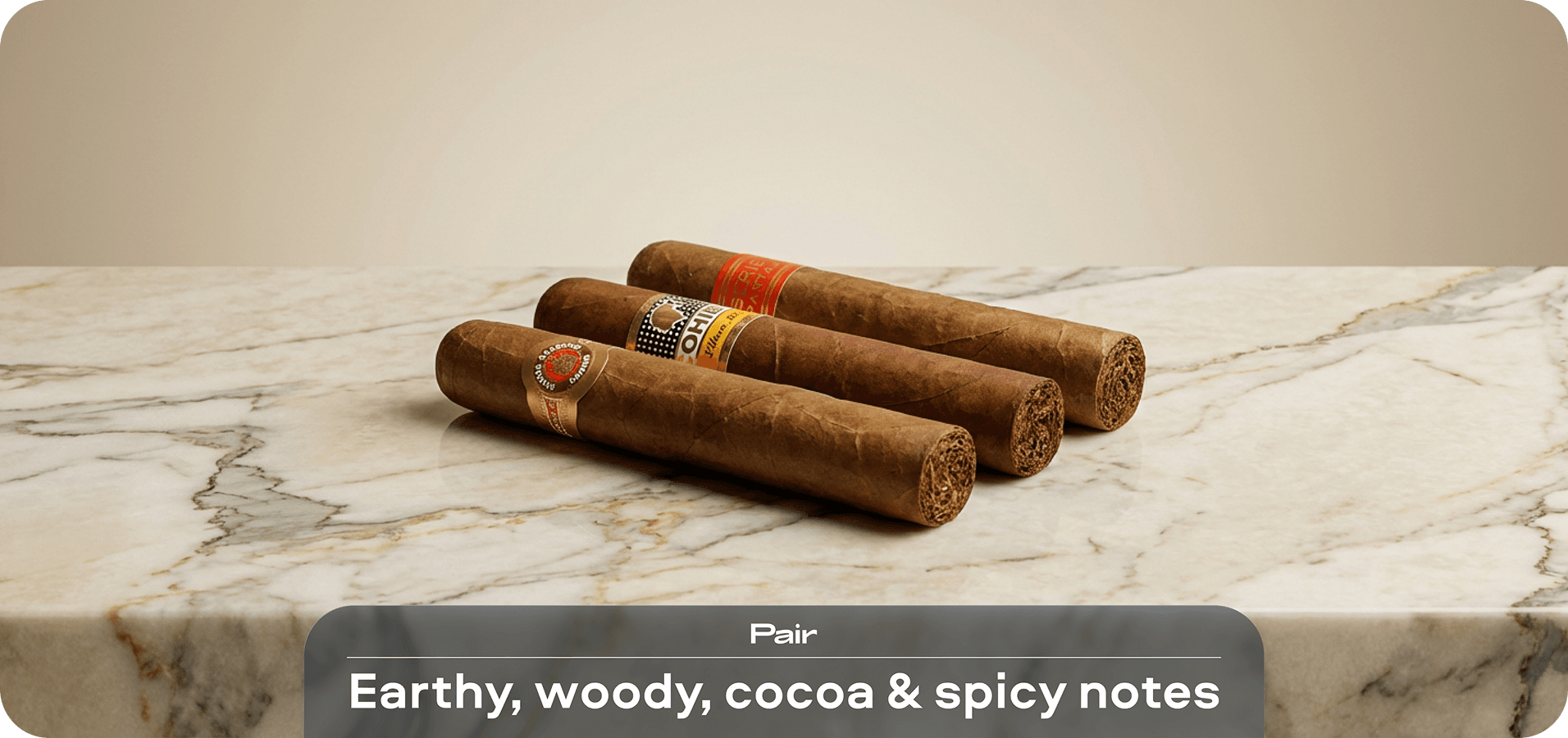
Earthy, woody, cocoa and spicy notes
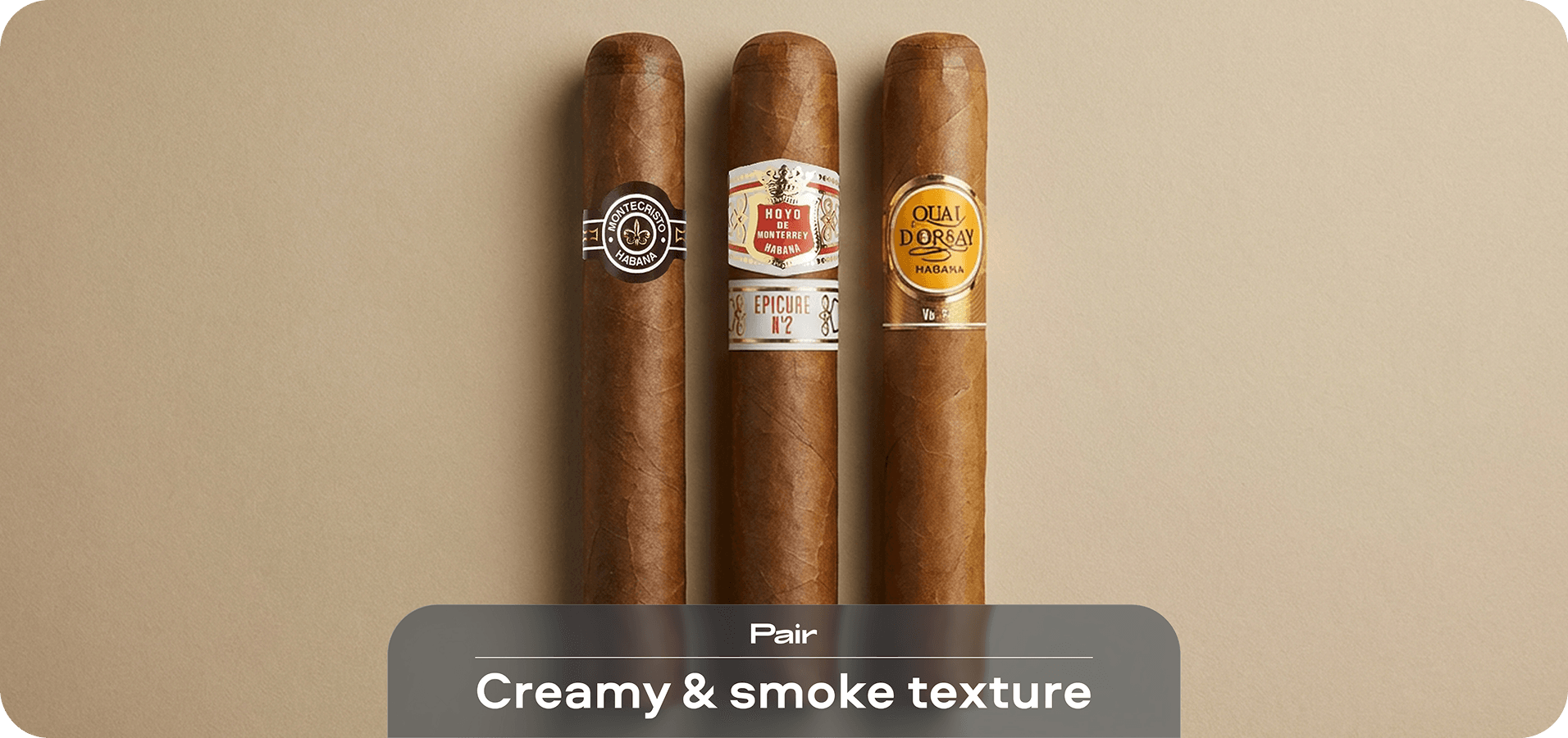
Creamy smoke texture
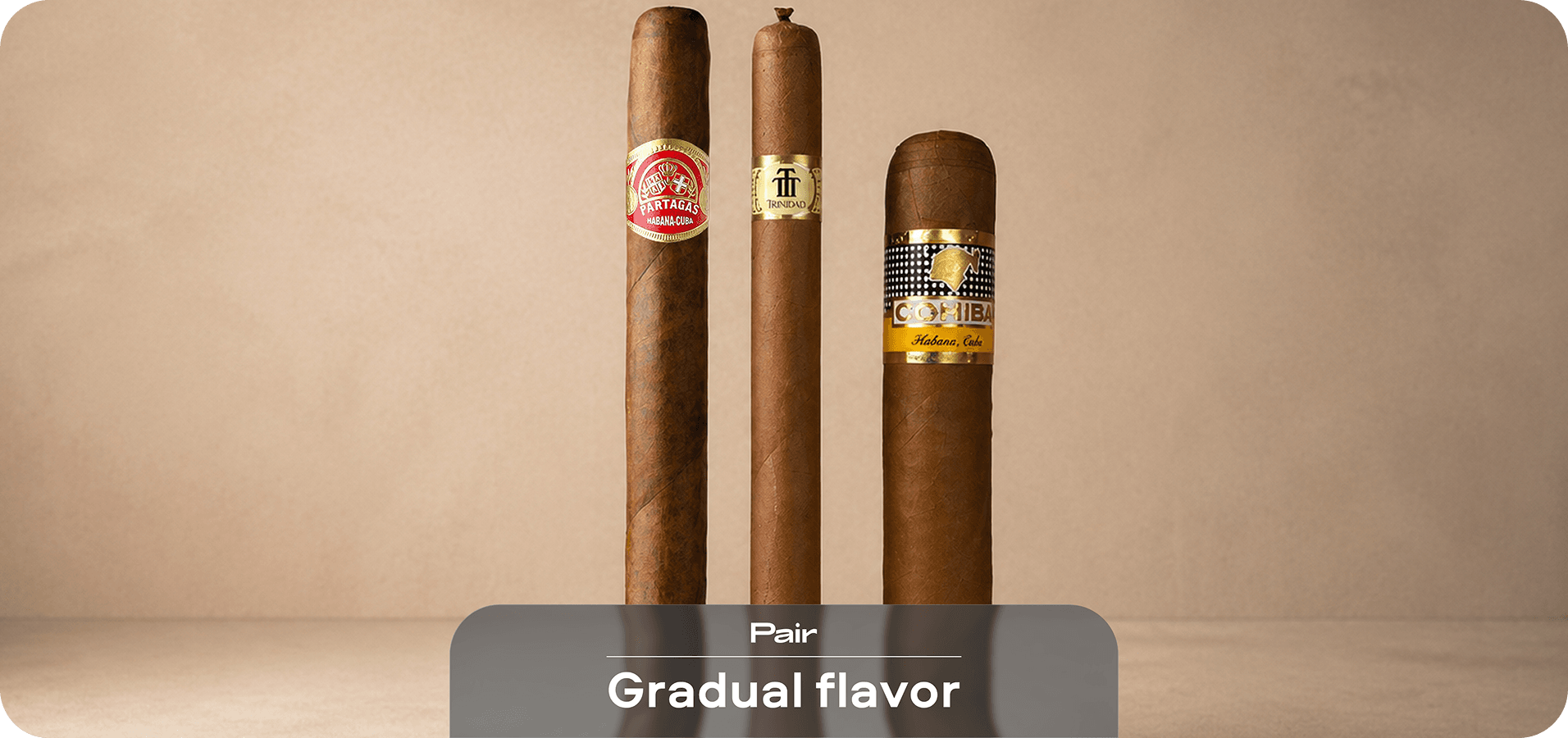
Gradual flavor development during the smoking experience
Why Cuban cigars are considered premium
Reputation and global demand
Cuban cigars have limited supply.
Tobacco is grown only in Cuba, and exports are strictly controlled. High global demand keeps their market value exclusive.

The impact of Cuban culture and heritage
For Cuba, cigars are a symbol of national pride.
Each cigar results from skilled work passed down from generation to generation:
- Farmers
- Leaf sorters
- Fermentation specialists
- Torcedores
- Tasters
This cultural heritage is present at every stage, from growing leaves to the smoking ritual.
How to identify authentic Cuban cigars
To distinguish original Cuban cigars from counterfeits, look for specific signs:
Marking “Hecho en Cuba – Totalmente a Mano”
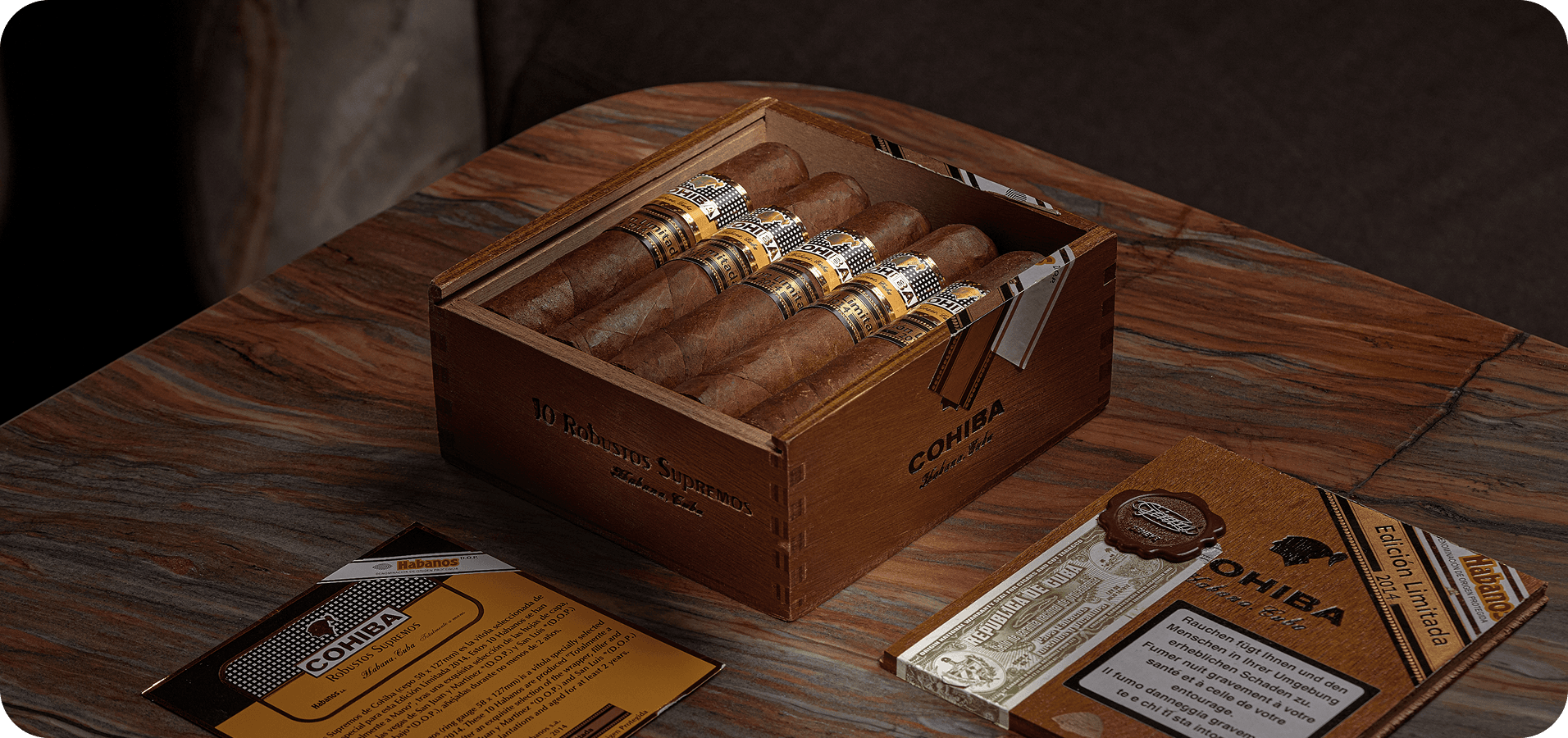
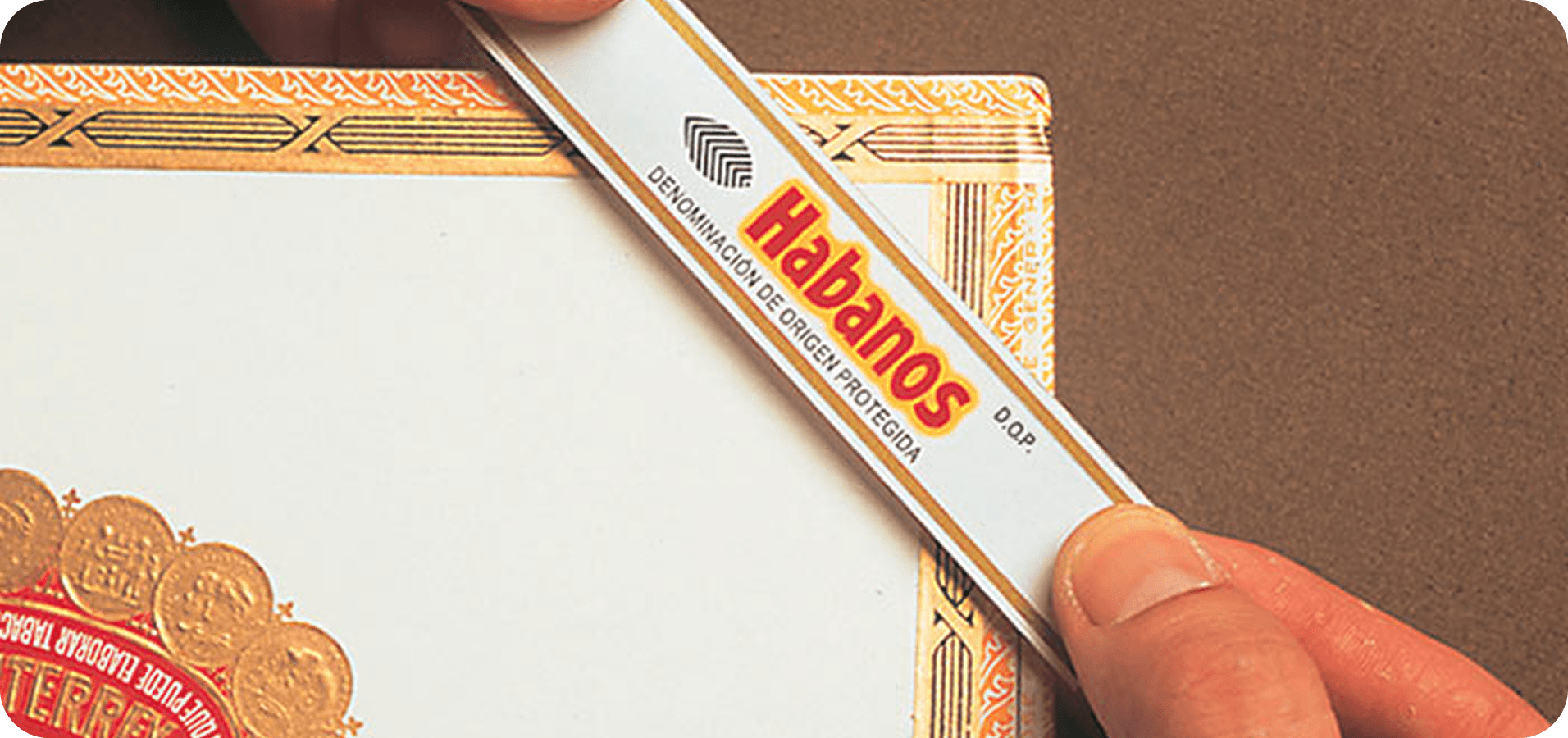
Official Habanos S.A. side sticker
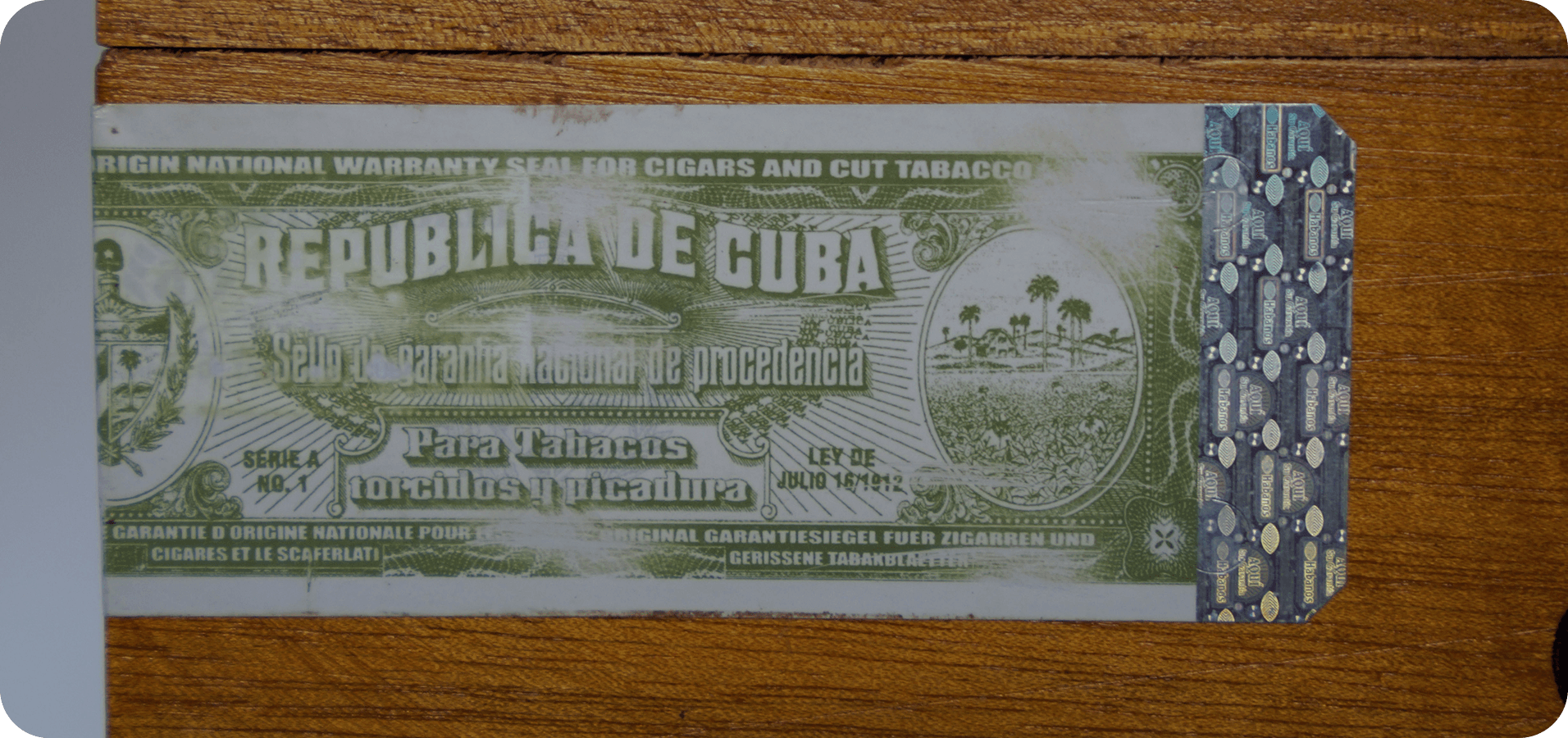
Green Cuban tax stamp
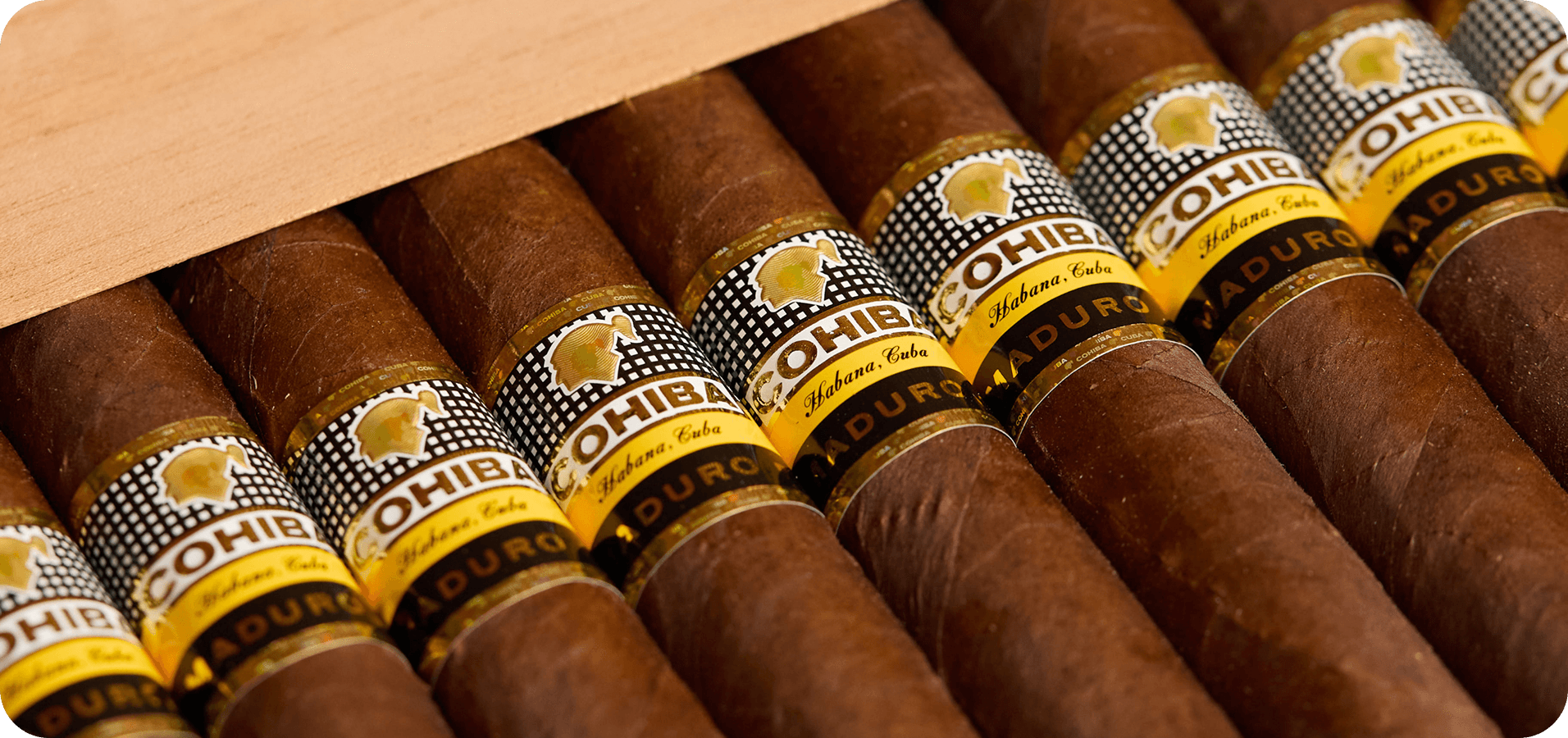
Smooth, slightly oily wrapper
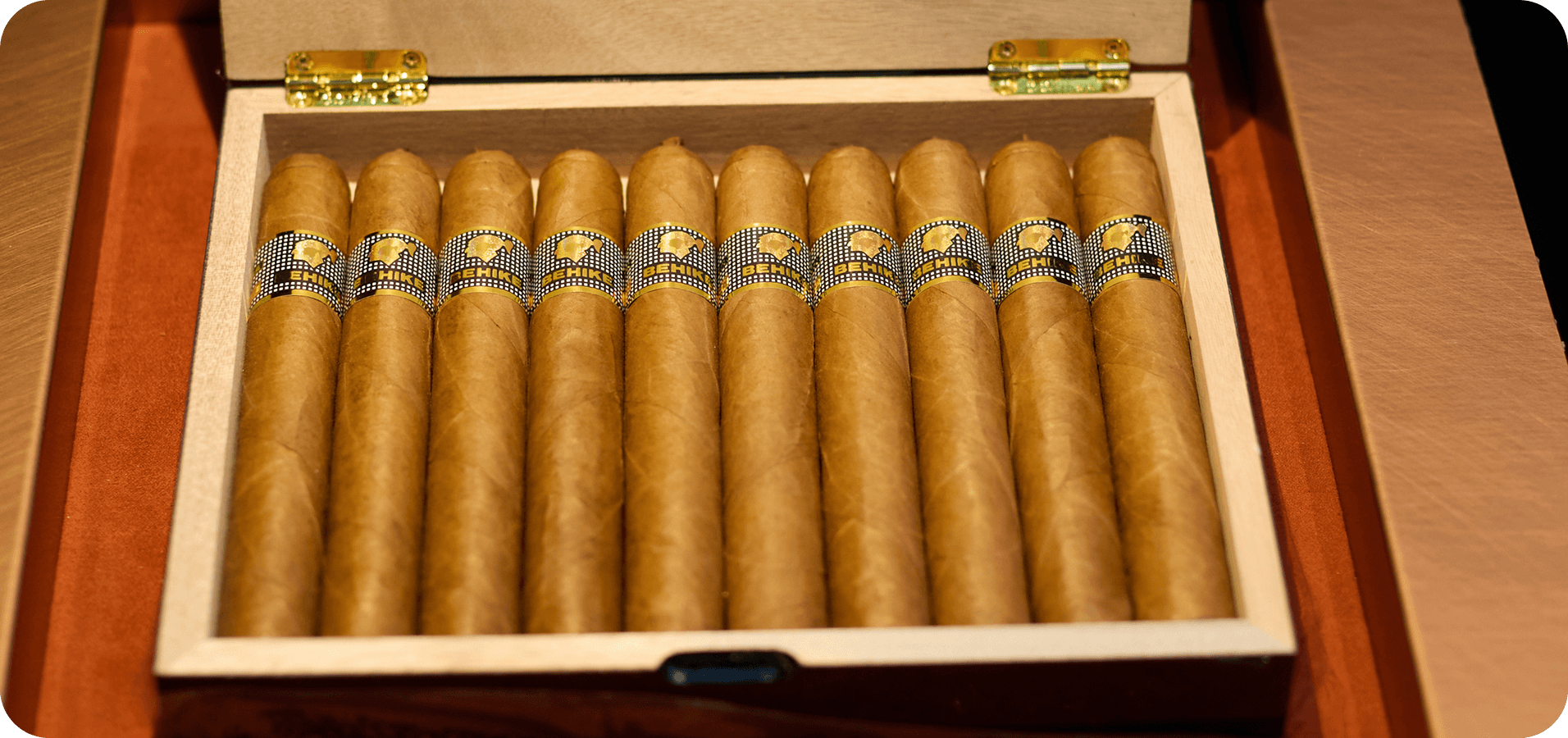
Uniform size and density inside the box
No chemical odor, glue residue or uneven seams
Official distributors guarantee product authenticity and correct humidification and storage conditions.
Expert Cuban cigar recommendation