

Cigars of the World: A Journey Through Countries and the Secret of Strength
In this lesson we will find out how cigars from different countries differ, and also learn the difference between strength and body.
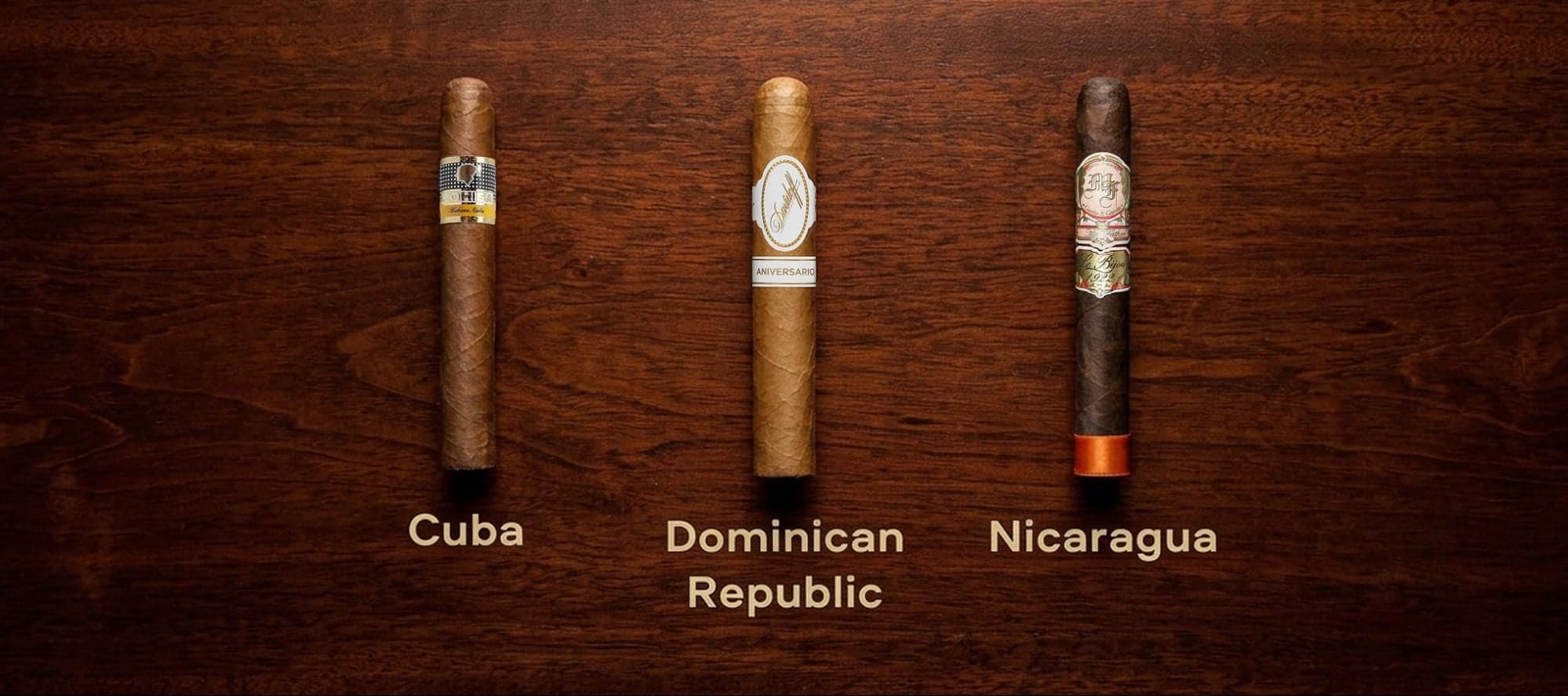
The Three Great Tobacco Powers
The world of cigars can be conditionally divided into Cuba and all other countries. This is a historically established fact: when we hear the word "cigar," the first association will always be Cuba. However, today on the world map, there are at least three countries shaping the face of the industry.
Cuba: A Legend That Is Changing
What Distinguishes Cuban Cigars
Cuba possesses unique climatic conditions and soils. Cuban earth has a characteristic reddish tint, enriched with minerals that give the tobacco its inimitable taste. This is a "terroir" that is impossible to replicate anywhere else in the world.
What distinguishes Cuban cigars? One main positive distinction and two rather sad, yet undeniable, facts can be highlighted.
- Taste and Aroma. They are often described as "animal" tones - rich, fragrant, classic. This is that very benchmark taste with which cigars are historically associated. It can be different, but that distinctive "Cuban" foundation is always felt.
- Quality is the Main Pain Point. Unfortunately, modern Cuban cigars are characterized by inconsistency in quality. This is because production is fully controlled by the state. A master torcedor in Cuba has no direct motivation to make a cigar perfectly, and a single box can contain cigars with completely different draws. This is a sad reality that all fans of "Havanas" face.
- Historical Context. In the past, there was a person, a family, a tradition behind each brand. Today, cigars of different brands (Montecristo, Partagás, Romeo y Julieta) can be rolled in the same factory, and the family component has, unfortunately, faded into the background.
An Important Nuance: After the revolution, many tobacco producers, having lost their businesses in Cuba, fled to neighboring countries - primarily to Nicaragua and the Dominican Republic. Such legendary names as Don Pepin Garcia or the Fuente family are Cubans who continued their work in emigration. This is precisely why quality and craftsmanship "flowed" into the New World.
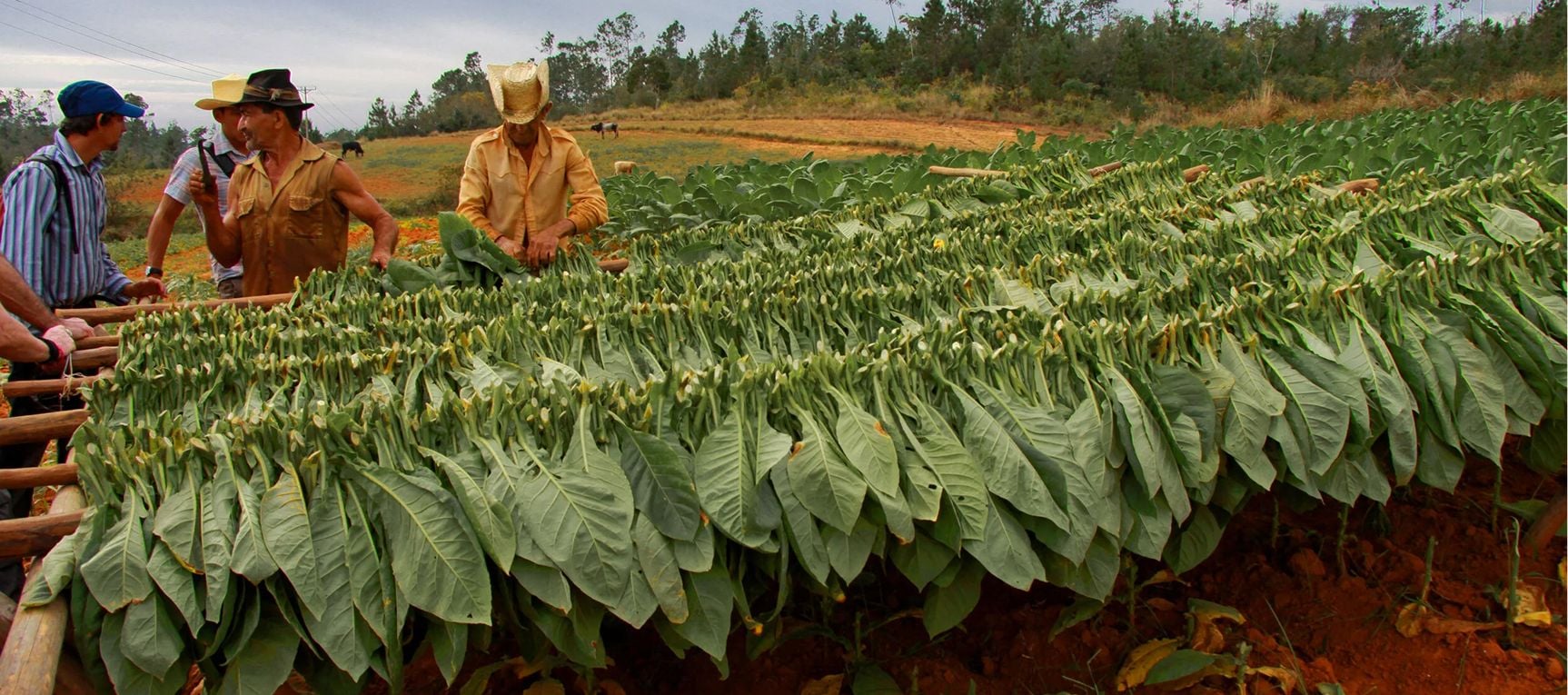
The unique reddish soil of Cuba — the foundation of the unmistakable "Cuban" taste
Nicaragua: The Land of Pepper and Power
Nicaragua is, perhaps, the main "heavyweight" of the modern cigar world. If we draw an analogy with wine, then Nicaragua is Bordeaux: powerful, full-bodied, always recognizable wines.
The main distinguishing feature of Nicaraguan cigars is the peppery taste. This is that very spicy, bright note that can be very different: from a slight tingle on the tongue to a real "pepper bomb." Because of this characteristic, many beginners and even experienced smokers might avoid Nicaragua for a long time if such a profile is not to their liking.
However, the industry does not stand still. Modern producers have learned to soften and blend this pepperiness, creating more complex and harmonious flavors. If you are looking for a bright, powerful, "masculine" character - this is definitely the place for you.
The Dominican Republic: Softness and Elegance
The Dominican Republic is the complete opposite of Nicaragua. It is a country of mild, light, and smooth cigars. If Nicaragua is grilled meat with hot sauce, then the Dominican Republic is Pinot Noir or refined French cuisine, where the taste develops subtly, smoothly, and elegantly.
Dominican cigars are ideally suited for beginners. They are rarely full-bodied, almost never "assault" the receptors with excessive spice, and offer calm, predictable pleasure. This is an excellent "everyday" cigar, for relaxation without surprises. Of course, there are exceptions here too - some blends from Arturo Fuente or La Flor Dominicana can be very powerful, but the general trend holds.
Can You Judge a Cigar by Its Flag Alone?
A flag can suggest a lot about a cigar, if the manufacturer has not stated otherwise.
In 8 out of 10 cases, your expectations will match the country of origin. Nicaragua will give pepper, the Dominican Republic - softness, Cuba - an animalistic, incomparable aroma. But it's in those 2 out of 10 cases that the magic lies. When you take a Nicaraguan cigar and suddenly feel not pepper, but creamy notes - that is the very "wow effect" that makes aficionados hunt for specific blends. And conversely, a Dominican cigar with a full-bodied, powerful character is also a reason for surprise.
Therefore, the rule is simple: the country sets the vector, but a specific cigar can always offer a unique experience.
| Country | Flavor Character | Best For |
|---|---|---|
| Cuba | Rich, "animal," classic. Inconsistent quality. | Classic enthusiasts, ready for surprises |
| Nicaragua | Powerful, full-bodied, peppery. Bold and recognizable. | Lovers of intense, bold flavors |
| Dominican Republic | Mild, light, predictable, elegant. | Beginners and those who value calm pleasure |
Which Country Should a Beginner Start With?
There is no single answer here, but there are two paths, and both have the right to exist.
- The Classic Path (via Cuba). You want to immediately understand what a "real" cigar, the one everyone talks about, is. This is the path of an enthusiast, ready for difficulties. For this, choose the mildest Cuban cigars, for example, Hoyo de Monterrey Epicure No. 2 or Romeo y Julieta No. 2. The risk on this path is higher: due to unstable quality or the specifics of the taste, the first cigar might disappoint.
- The Gentle Path (via the Dominican Republic). The Dominican Republic is Pinot Noir in the world of wines. It is mild, predictable, with an understandable taste. It will never frighten you with an excess of nicotine or unexpected pepperiness. It's an opportunity to calmly enjoy the process without thinking that it's about to "hit you over the head."
The Main Rules for Your First Cigar
- It must be light (in strength).
- It must have a simple and understandable taste (chocolate, nut, cream), not a complex bouquet of licorice and unripe dates (there's a chance you simply won't understand such a flavor).
- The most important thing is not to obsess over finding notes. You don't need to smoke with a notepad and pen. The main thing is to relax, catch the vibe, feel yourself in a cinematic atmosphere. If you only think about searching for aromas, you will miss the main thing - the pleasure of the moment.
- Ideally, a small selection of 2-3 cigars will be assembled for you to try, so you can simply say: "I liked this one, not that one." But for a beginner cigar appreciator, one vitola a day is more than enough.
Strength and Body: What's the Secret?
Many people use the words "strength" and "body" as synonyms, but in reality, they describe completely different characteristics of a cigar.
Strength is About Nicotine
Strength answers the question: "How much nicotine is contained in the cigar?" This is analogous to the alcohol percentage in a drink.
- A mild cigar is like port or wine. It relaxes, gives pleasure, but doesn't "knock you out."
- A full-strength cigar is like whiskey or cognac. When smoking such a cigar, you get a powerful nicotine hit, which can cause dizziness, nausea, or, conversely, strong relaxation.
Nicotine has no taste. You cannot "taste" strength. You can only feel its consequences for your body. This is precisely why beginners are always advised to start with mild cigars.
Body is About Flavor Intensity
Body answers the question: "How bright, dense, and rich is the flavor of the cigar?" This is analogous to how many spoonfuls of sugar you put in your tea.
- Light Body – a delicate, airy taste; the smoke seems light.
- Full Body – a powerful, dense taste that literally fills the mouth.
The main paradox, which causes all the confusion, is that an intense flavor can be mistakenly perceived as strength.
The classic example is that very pepperiness of Nicaraguan cigars. A beginner takes a puff, feels a powerful, bright, burning peppery taste that makes them cough. Their receptors are assaulted by the intensity, and they think: "Wow, what a strong cigar!" Although in reality, in terms of nicotine content (strength), it might be medium or even mild. The flavor is just very intense.
The reverse situation: you can smoke a cigar with a very mild, unremarkable taste (light body), but by the end of the smoke, find that you are unexpectedly and strongly relaxed. That's the strength at work - you accumulated nicotine without even noticing it.
Does One Depend on the Other?
A good producer always strives for balance. You are unlikely to encounter a cigar with hurricane-level intensity but zero strength, or vice versa. Usually, they go hand in hand, but this is not a rigid rule. A full-bodied cigar can be moderately strong, and a light-bodied one can be "treacherous" in terms of nicotine.
How to Choose?
Strength is chosen BEFORE smoking. You must understand whether you are ready for a nicotine load right now. A full-strength cigar at noon is a questionable pleasure, just like a glass of whiskey for breakfast.
Body is about the impression DURING smoking. It can surprise you. But beginners should choose moderate intensity so as not to spoil their first impression.
Can You Determine Anything by Eye?
The only visual clue that works in 90% of cases: the darker the wrapper leaf, the higher the flavor intensity (body). Cigars with a Maduro or Oscuro color are usually oilier and more flavor-saturated. But this says nothing about their strength. You can find a dark cigar with a rich dark chocolate taste that is quite mild in nicotine. And you can find a light cigar (Claro) that turns out to be very strong.
The main advice: don't be afraid, try things out, and remember that your perception is unique. What seems light to an experienced smoker might knock a beginner off their feet, and vice versa. Seek your own balance.
| Characteristic | What It Measures | Analogy | How to Determine Before Smoking |
|---|---|---|---|
| Strength | Nicotine level | Alcohol percentage | By description or experience — not visible externally |
| Body (Intensity) | Flavor richness | Spoons of sugar in tea | Dark wrapper = more intensity (90% of the time) |
Wrapper color indicates flavor intensity — but not strength

SUMMARY
Recommended
All articles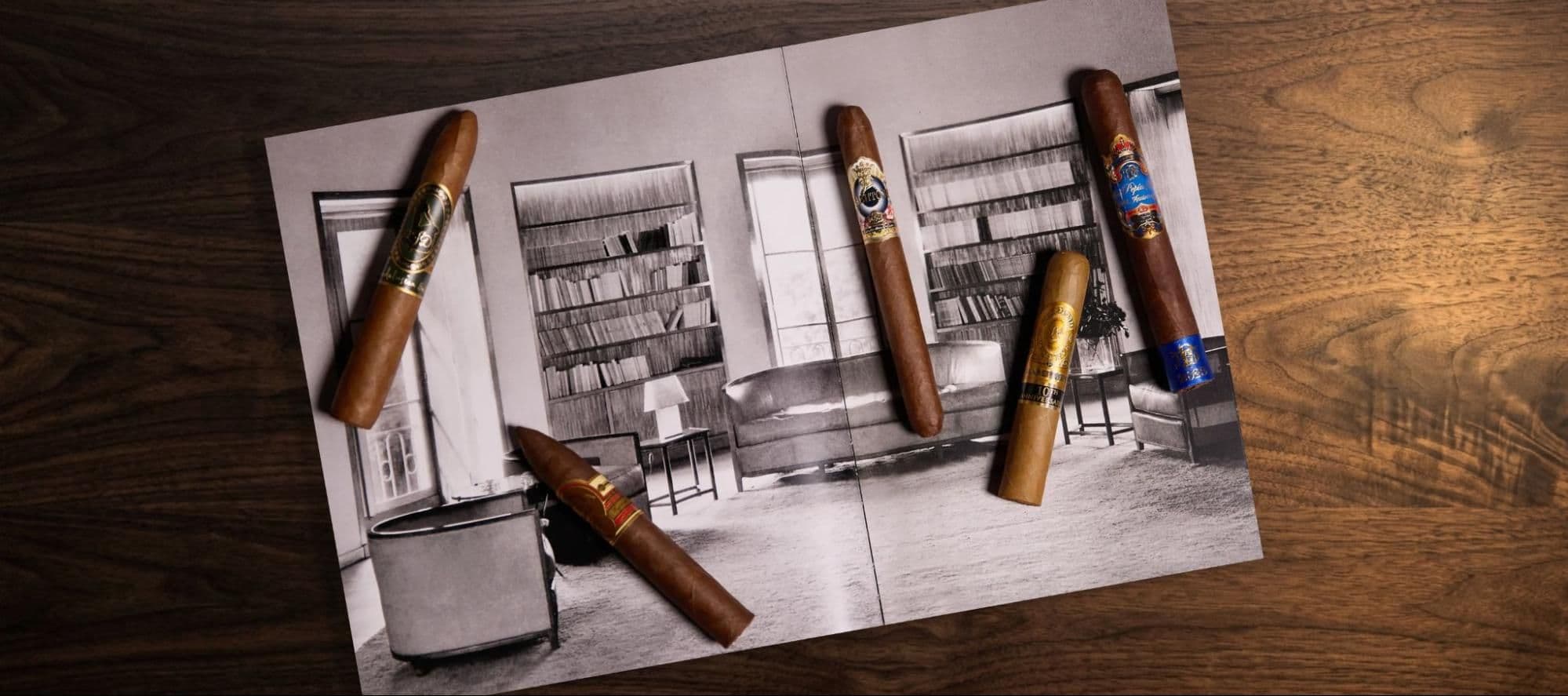
To seriously discuss cigars, it's worth mentioning at the start that they are surrounded by a multitude of myths and stereotypes. Cigars are a living, interesting product with character, and although mentioning them often conjures the image of a distinguished man in a leather armchair with a glass of whiskey, contemplating something great in clouds of smoke, in the modern world, it's enough to simply be a hedonist to enjoy the taste.
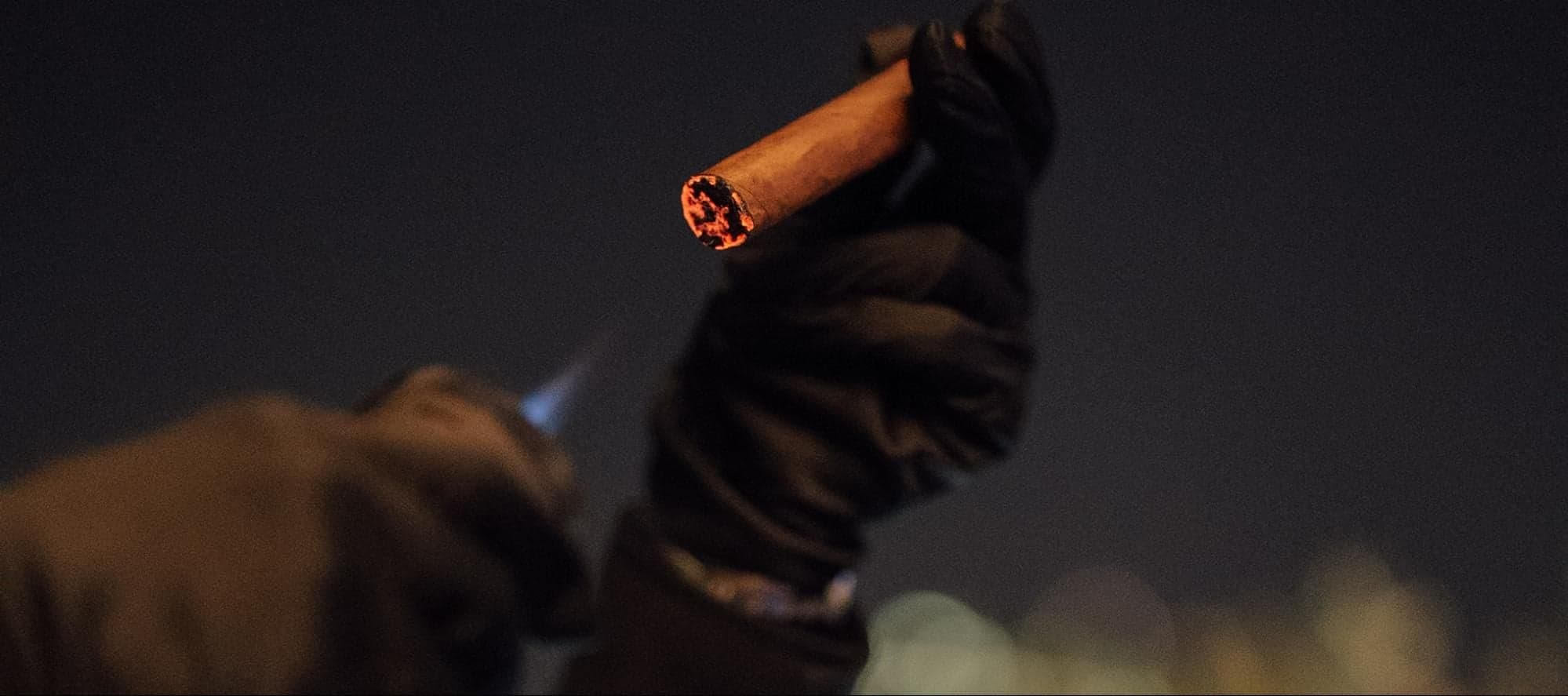
So, the cigar is chosen and purchased. Now the most interesting part begins - the ritual. For your first encounter with a cigar to leave only pleasant impressions, it is important to follow a few simple but essential steps. This guide will walk you through the entire journey - from unwrapping to the "dignified death" of the cigar.

A cigar is not just a tobacco product. It is a living product, in which natural processes continue to occur even after rolling. You must treat it accordingly: with understanding and respect. In this lesson, we will tell you how to create ideal conditions for a cigar, how to save it if something goes wrong, and, of course, we will debunk the most popular myths surrounding cigar culture.
