

How to Prepare, Light, and Smoke a Cigar: A Complete Guide for Your First Time
So, the cigar is chosen and purchased. Now the most interesting part begins - the ritual. For your first encounter with a cigar to leave only pleasant impressions, it is important to follow a few simple but essential steps. This guide will walk you through the entire journey - from unwrapping to the "dignified death" of the cigar.
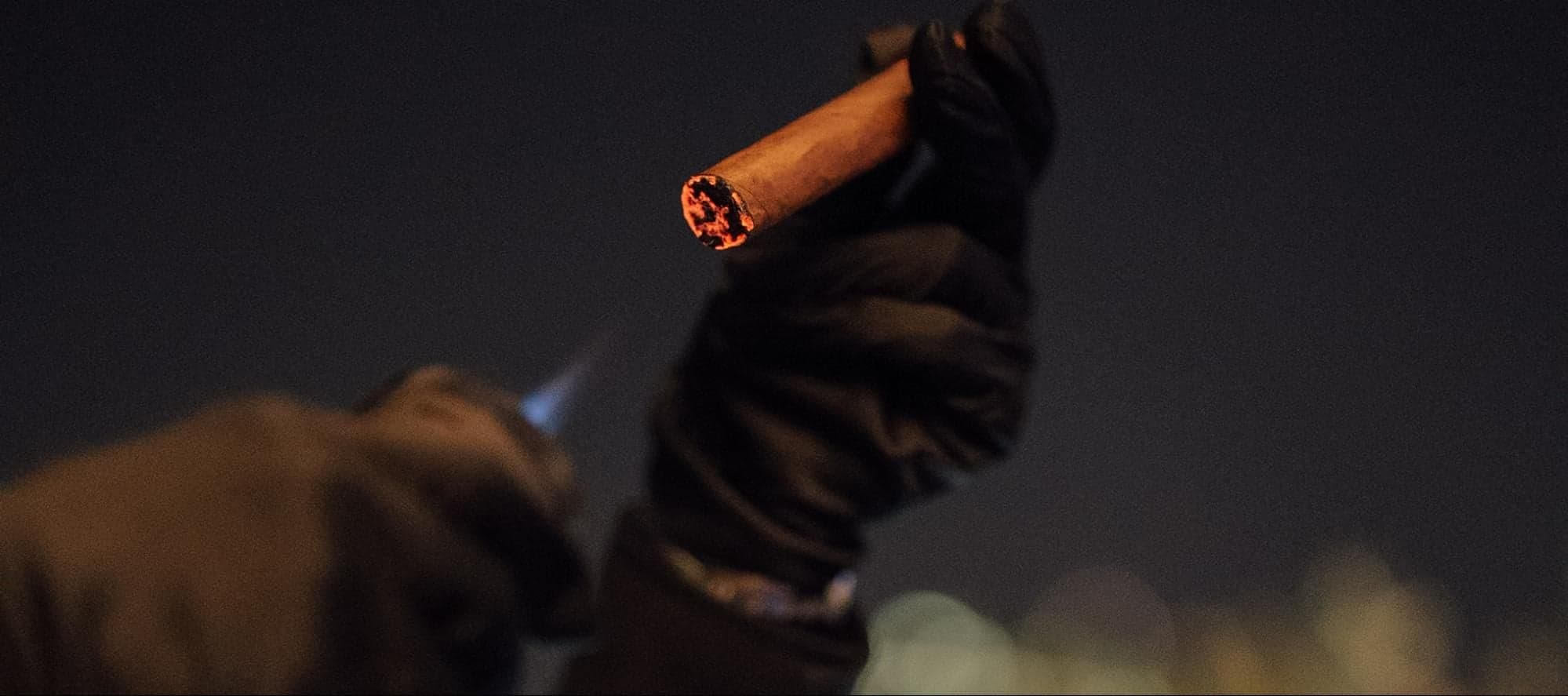
Step 1. Removing the Package and First Acquaintance
The first thing to do is carefully remove the cigar from its packaging. This could be cellophane, a tubo, or, if the cigar is Cuban, it might be "naked" - without any additional wrapping.
Take the cigar in your hands and inspect it carefully. The wrapper leaf (capa) should be intact, without cracks, holes, or other visible damage. This is a basic visual quality control.
Next comes a stage that can be called "cold aroma assessment." Bring the cigar to your nose and inhale its fragrance. As with wine, this will give you a first impression of the character of the upcoming smoke. You might detect notes of chocolate, earth, spices, or leather. For example, a tobacco leaf with a distinct chocolate aroma often promises a mild smoke. It's possible you won't sense any particular flavor, only the smell of tobacco. That's normal too.
If there is a band (paper ring) on the cigar, you don't need to remove it right away. It is usually glued with an organic adhesive that warms up during smoking, making the ring easier to remove. Do this carefully to avoid damaging the delicate wrapper leaf.
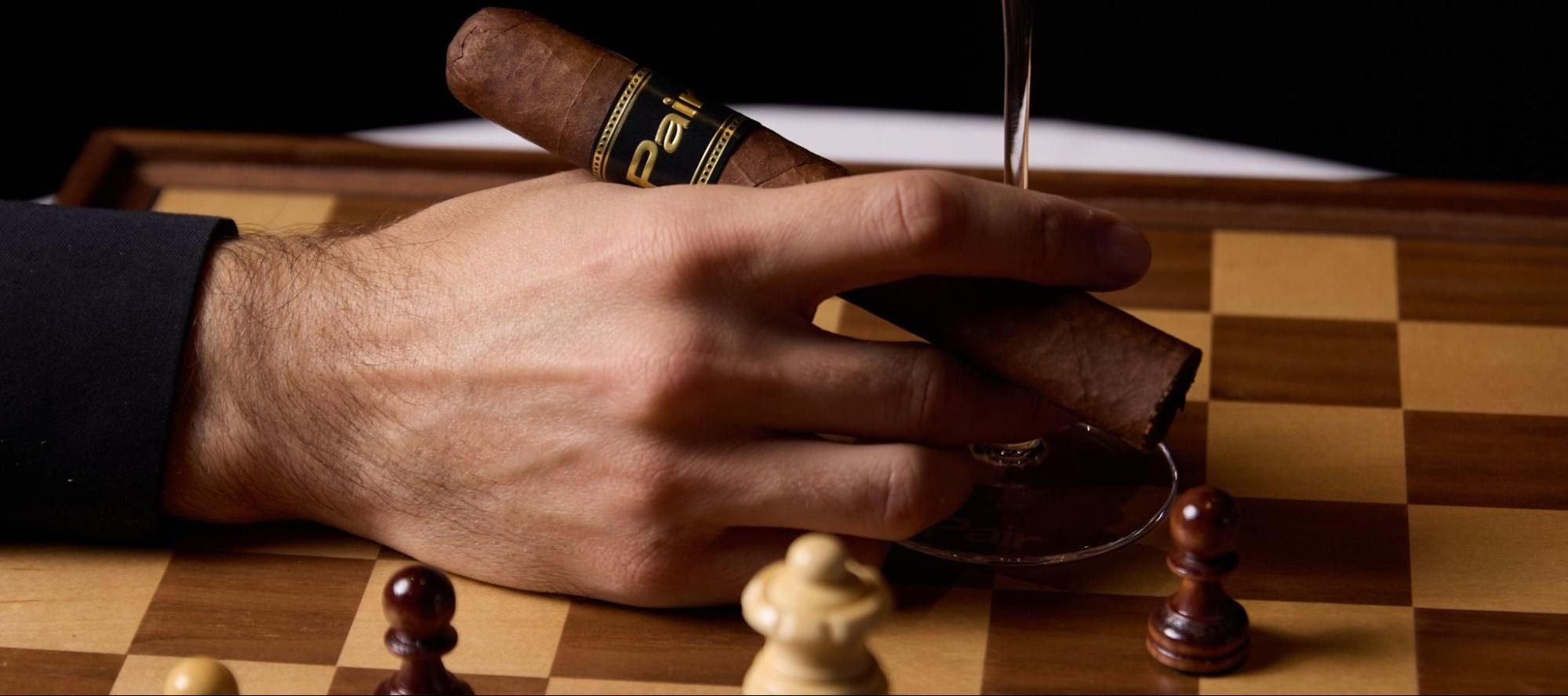
The wrapper leaf should be intact, without cracks — basic visual quality control
Step 2. Choosing the Tool and Making the Right Cut
There are several main types of cutters, and each gives a slightly different cut and, consequently, a different smoking experience.
- The Classic Guillotine. The most common tool. For a beginner to avoid mistakes, there is a simple lifehack: place the guillotine on a table, stand the cigar vertically in the guillotine's opening. Cut off the part that is touching the table. This allows you to remove only the top cap without cutting off too much. Contrary to Hollywood movies, you do not need to cut off a whole inch - that will ruin the cigar.
- Punch. A compact tool that is pressed into the center of the head, cutting out a neat, round hole. All the smoke will pass through this small opening, making it more concentrated and dense.
- V-Cutter. Makes a deep V-shaped cut. This not only looks impressive but also provides a good draw.
- Scissors. A professional tool requiring skill. You can make a very neat cut with them, but it requires a certain amount of experience.
After cutting, be sure to check the draw. Simply draw air through the cigar without lighting it. The air should pass with a light, pleasant resistance. If there is no draw or it is too tight, the cigar is most likely rolled incorrectly.
Step 3. The Cold Draw
Before bringing fire close, try the cold cigar. Take a couple of puffs through the unlit cigar. You will feel the pure aroma of the tobacco. Sometimes it matches what you sensed during the "nose" test, and sometimes it differs. This is an interesting stage that tunes your receptors for the upcoming pleasure.
Step 4. The Art of Lighting
This is perhaps the most crucial moment. The main rule - no gasoline! Gasoline lighters will hopelessly ruin the taste, and you will be smoking gasoline fumes, not tobacco.
You have three proper tools to light a cigar:
- Torch Lighter. The most convenient and reliable option for a beginner. The powerful, wind-resistant flame allows you to light the cigar quickly and evenly.
- Special Cigar Matches. These are longer than ordinary matches and burn long enough to properly toast the cigar. An important rule: let the match burn for a couple of seconds so the sulfur on the head completely burns off, otherwise it can give the smoke an unpleasant aftertaste.
- Cedar Spill. The oldest and most aesthetic method. The spill is lit (from a candle or lighter) and used as a torch. Cedar wood gives a pleasant aroma that becomes part of the ritual.
Lighting Technique
Do not hold the cigar directly in the center of the flame. Hold it at an angle, just above the tip of the fire, and rotate it slowly. It's important to toast the tip of the cigar evenly around its entire circumference. Periodically blow gently on the smoldering end to see how evenly it is igniting. Continue until the entire surface of the foot is glowing bright orange and is covered with an even layer of burning tobacco. Only then can you take the first puff.
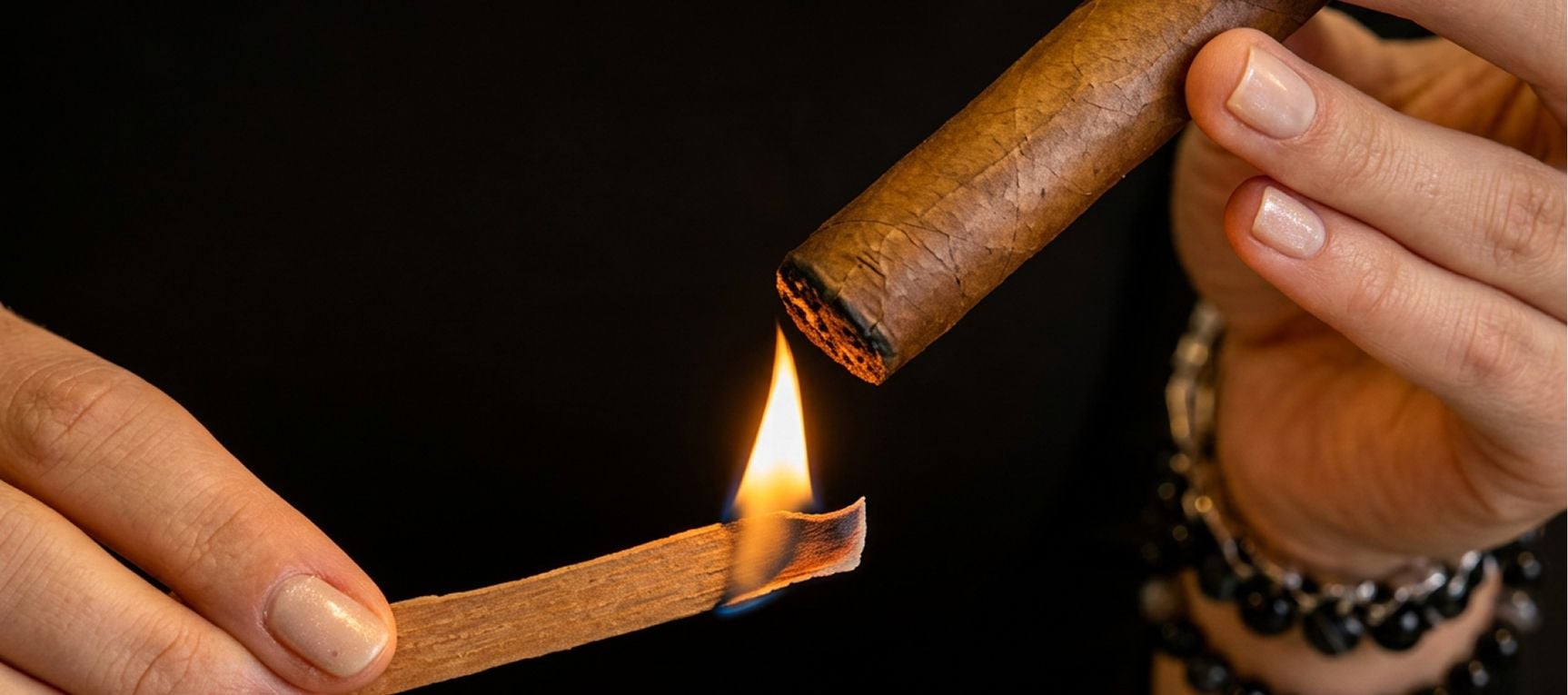
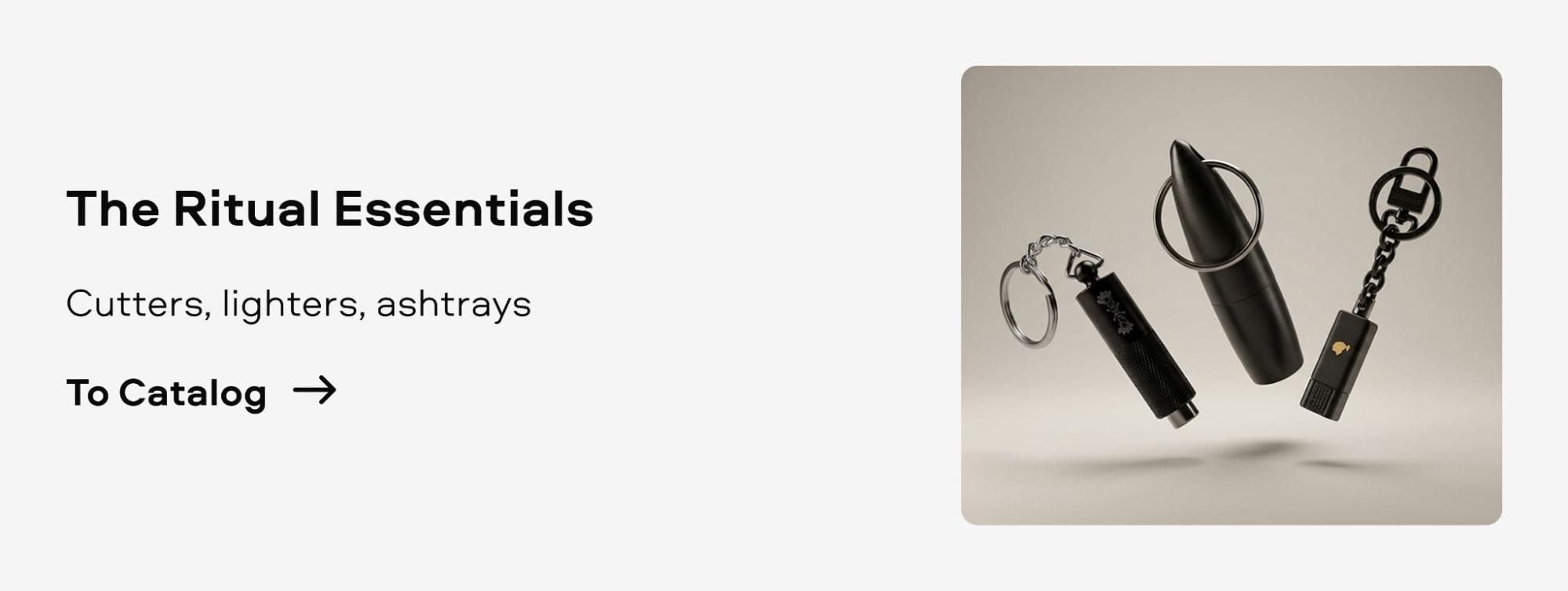
Torch lighter, cigar matches, and cedar spill — three proper ways to light a cigar
Step 5. The Smoking Process: Savoring the Moment
The main difference between a cigar and a cigarette is unhurriedness and relaxation. A cigar is not smoked on the run, but in a calm setting, in a comfortable chair.
How to Draw the Smoke
Do not inhale the smoke into your lungs! Draw the smoke into your mouth, hold it there for a couple of seconds, allowing your taste receptors to recognize the notes, and gently release it. You can try releasing some of the smoke through your nose - this allows you to better sense the aroma, but be careful: it can be intense. Having said that, you don't have to savor every single puff.
Flavor Development
The cigar lives its own life throughout the smoke. It is conditionally divided into three parts (thirds). In the first third, it is just heating up and introducing itself. The maximum unfolding of flavor usually occurs in the second and third thirds. Sometimes a cigar can "announce itself" from the very first puff, but if you don't feel bright notes at the beginning, don't worry, give it time.
What to Do with the Ash
Ash is a natural companion to smoking. There are competitions for the longest ash, but for everyday life, something else is important. To prevent ash from falling on your clothes, don't tap it off like a cigarette. Simply gently touch the cigar to the edge of the ashtray, and the ash will fall off on its own.
When to Remove the Band
The band (ring) is best removed not immediately, but when the cigar has warmed up a little (about ⅓ of the way through the smoke). The heat melts the food-grade glue, and the band will come off easily without the risk of damaging the wrapper leaf.
If the Cigar Starts to Taste Bitter
This happens sometimes. It is not a reason to put it out. The cause could be overheating or accumulated combustion products inside. There is a simple way to fix the situation - purging (degassing). Gently blow through the cigar in the reverse direction (exhale through it). You will see a small cloud of smoke burst from the foot, and the cigar will become soft and tasty again.
What Not to Do
Never, under any circumstances, dip your cigar in a drink! This will instantly ruin it; the leaf will swell, and it will become impossible to smoke the vitola.
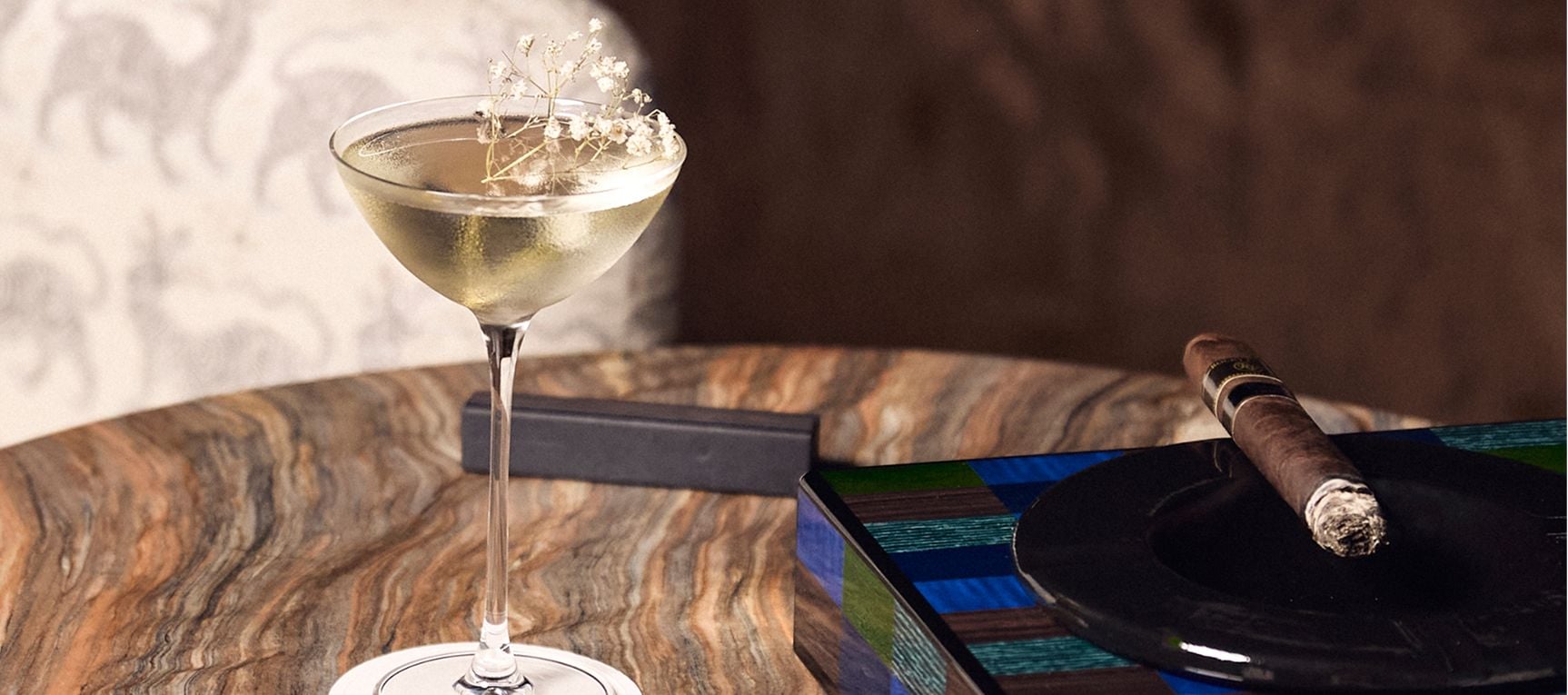
Good ash falls off on its own with a gentle touch to the edge of the ashtray
Step 6. How to Finish Smoking
You've felt that you've had enough, or the smoke has become too hot. How to finish properly?
Never stub out a cigar like a cigarette butt in an ashtray! This is, perhaps, the only strict old rule that has passed through centuries and is still respected today. It is considered bad manners and disrespect for the work of the people who created it (a cigar, in the process of creation - from the tobacco plant to the finished product - passes through a hundred pairs of hands). Simply place the cigar in the ashtray. It will calmly go out by itself. This is called "letting the cigar die with dignity."
Step 7. Important Final Tips
- The Best Drink is Your Favorite. Don't believe strict rules about whiskey or rum being the only suitable match. Your favorite drink, be it tea, champagne, or water, will complement the cigar best because your receptors are accustomed to it. However, it's better to avoid spicy, sour, or overly aromatic food - it will overpower the subtle taste of the tobacco.
- Eat Before Smoking. Don't smoke on an empty stomach. A hearty dinner or lunch will make the process comfortable and help avoid dizziness.
- If You Feel Dizzy. Nicotine can make itself known. The best remedy is to eat something sweet. A banana is ideal - it has a lot of natural sugar and will quickly bring you back to normal.
- Can You Finish the Cigar Later? It is highly unrecommended. Combustion products accumulate in an extinguished cigar, and smoking it later can be not only unpleasant but also unsafe. This rule has one exception: if you entrust a professional in a cigar lounge to cut off the burnt end, they can remove the part with soot. But for your first time, it's better to plan your time so that you smoke the cigar in one session.
The main secret of cigar enjoyment is simple: don't rush, relax, and dedicate as much time to this ritual as it requires.
In Brief: How to Prepare, Light, and Smoke a Cigar
Arrange the steps in the correct order:
- Free the cigar from its packaging
- Inspect the cigar
- "Nose" tasting
- Moisten the tip of the cigar in your mouth
- Cut the cap with the chosen tool
- Check the draw, try the "cold draw"
- Light the cigar
- Enjoy the taste
- Purge the cigar if necessary
- Allow the cigar to go out in the ashtray
SUMMARY
Recommended
All articles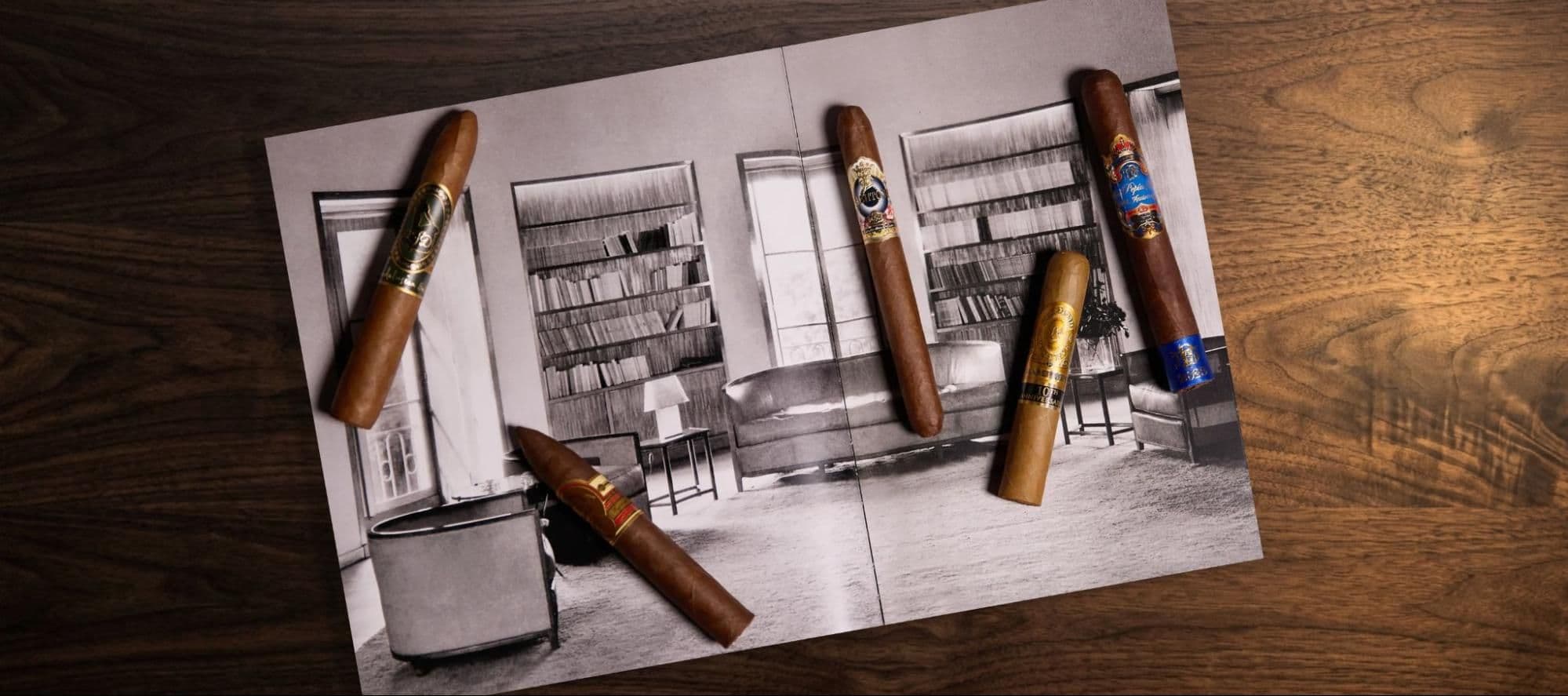
To seriously discuss cigars, it's worth mentioning at the start that they are surrounded by a multitude of myths and stereotypes. Cigars are a living, interesting product with character, and although mentioning them often conjures the image of a distinguished man in a leather armchair with a glass of whiskey, contemplating something great in clouds of smoke, in the modern world, it's enough to simply be a hedonist to enjoy the taste.
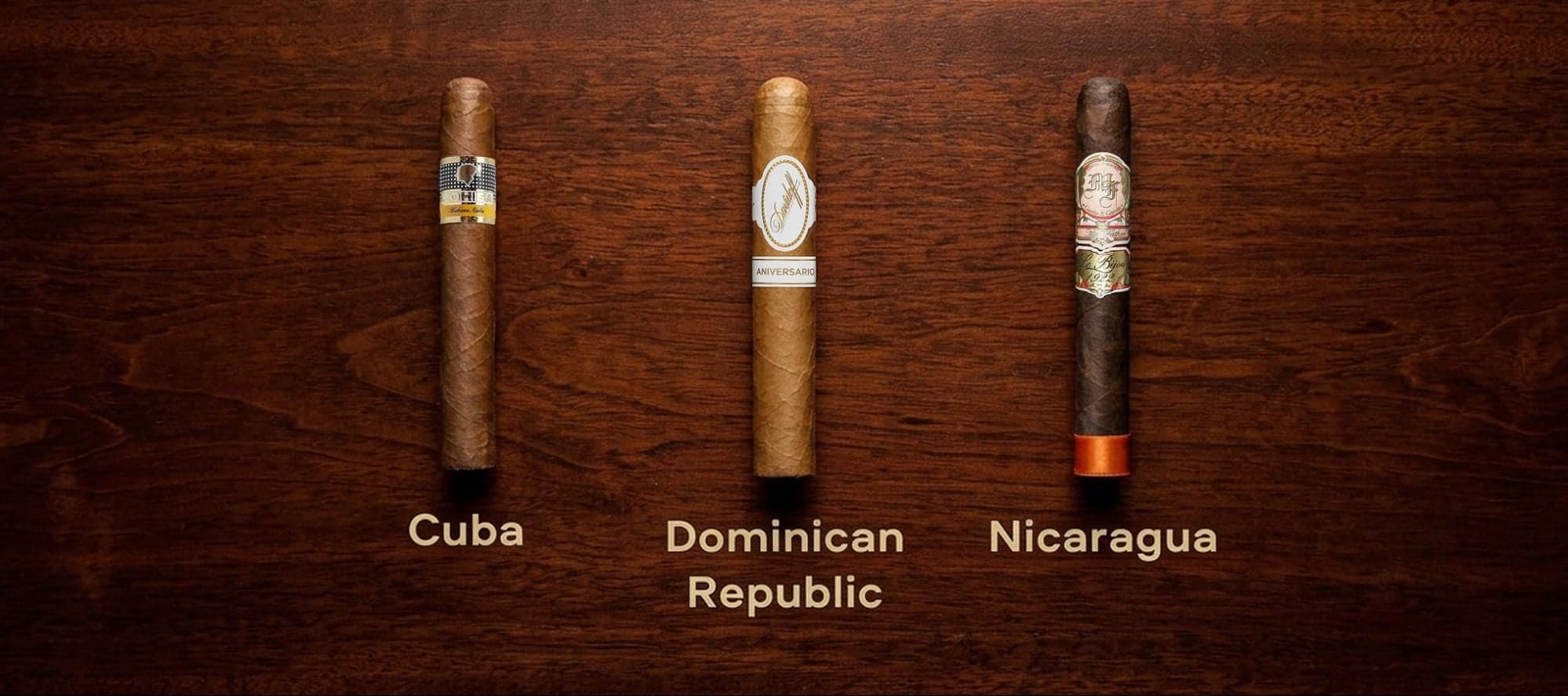
In this lesson we will find out how cigars from different countries differ, and also learn the difference between strength and body.

A cigar is not just a tobacco product. It is a living product, in which natural processes continue to occur even after rolling. You must treat it accordingly: with understanding and respect. In this lesson, we will tell you how to create ideal conditions for a cigar, how to save it if something goes wrong, and, of course, we will debunk the most popular myths surrounding cigar culture.
