

The Grand Introduction: Anatomy, Vocabulary, and the Birth of a Cigar
To seriously discuss cigars, it's worth mentioning at the start that they are surrounded by a multitude of myths and stereotypes. Cigars are a living, interesting product with character, and although mentioning them often conjures the image of a distinguished man in a leather armchair with a glass of whiskey, contemplating something great in clouds of smoke, in the modern world, it's enough to simply be a hedonist to enjoy the taste.
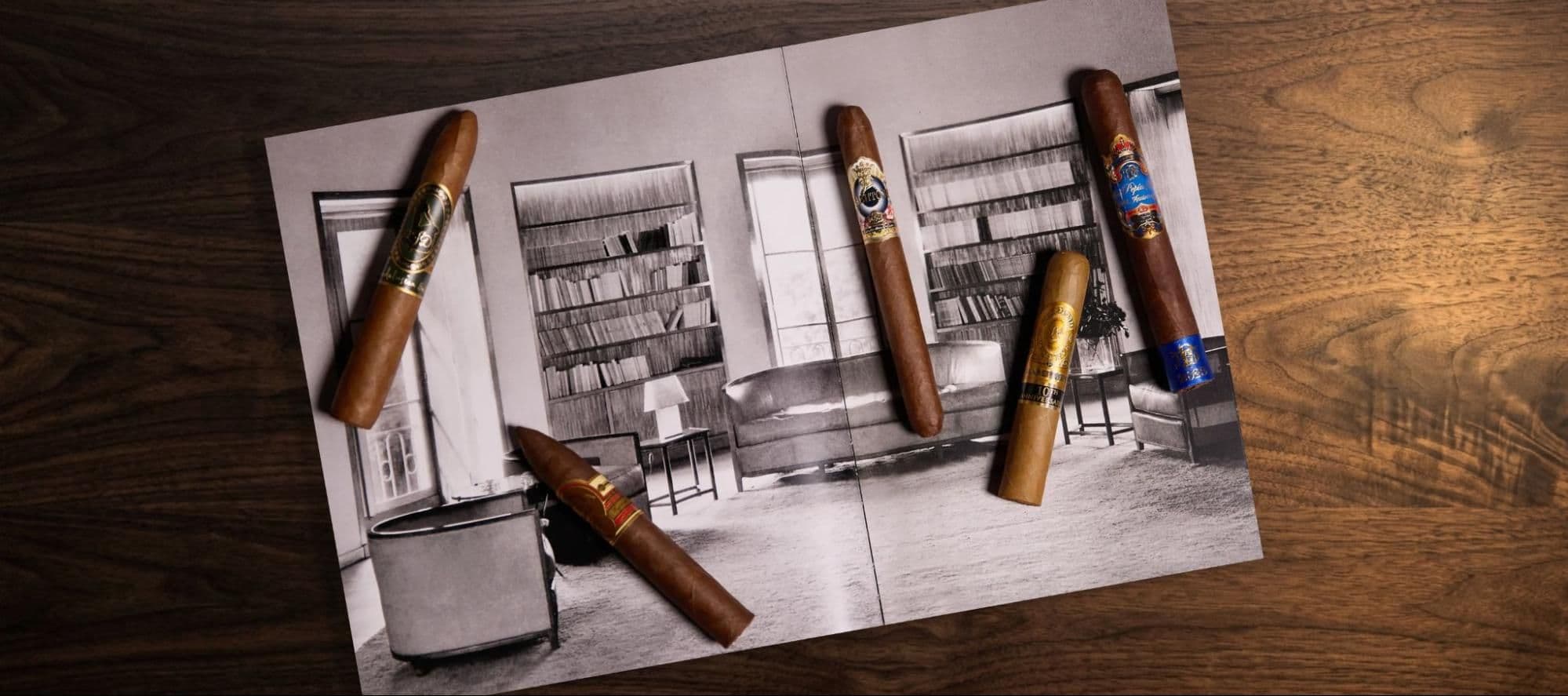
Cigars are not just about status. They are a form of meditation. They are, perhaps, the only tobacco product that does not tolerate haste. Firstly, you don't inhale them into your lungs (more on that later), and secondly, you don't smoke one every five minutes. A good cigar demands about an hour of your time. It's a reason to stop, switch gears, and, as the Spanish say, "poco a poco" – little by little – savor the moment.
To place an order in a restaurant, you need to know the names of the dishes. It's exactly the same in the world of cigars. If you walk into a cigar lounge and say, "I need that one, the shorter but thicker one, and the more expensive one," you will, of course, be understood and helped with your choice. But, you must agree, it's more pleasant to be able to explain what you want.
In this lesson, we will dissect a cigar like scientists. We will remove its "skin" (the wrapper), peek inside (the filler), and understand why shape matters. We will also learn the "cigar alphabet," so that words like "wrapper," "filler," "vitola," or "bundle" don't leave you bewildered but sound perfectly clear.
The main advice at this stage: don't be afraid to try and make mistakes. You might cut a cigar incorrectly the first time, you might choose the wrong format, you might even accidentally let it go out. That's normal. Cigar culture is a path of trial and error. Our task is to make this path shorter and more enjoyable.
A Journey Spanning Millennia
Before we start dissecting a cigar and learning complex terms, allow me to invite you on a short journey through time. Understanding the origins makes the process of smoking meaningful. When you hold a cigar in your hand, you are holding a piece of history, spanning thousands of years.
The path of tobacco to the status of a premium product is astonishing. And it began long before the appearance of the first cigar factories.
1000 BC — First Steps
Tobacco culture originates in the ancient civilizations of America. The Maya and Aztec Indians are the first to use tobacco leaves for rituals and meditation. For them, it was a way to communicate with the gods and purify their thoughts – long before the emergence of secular traditions.
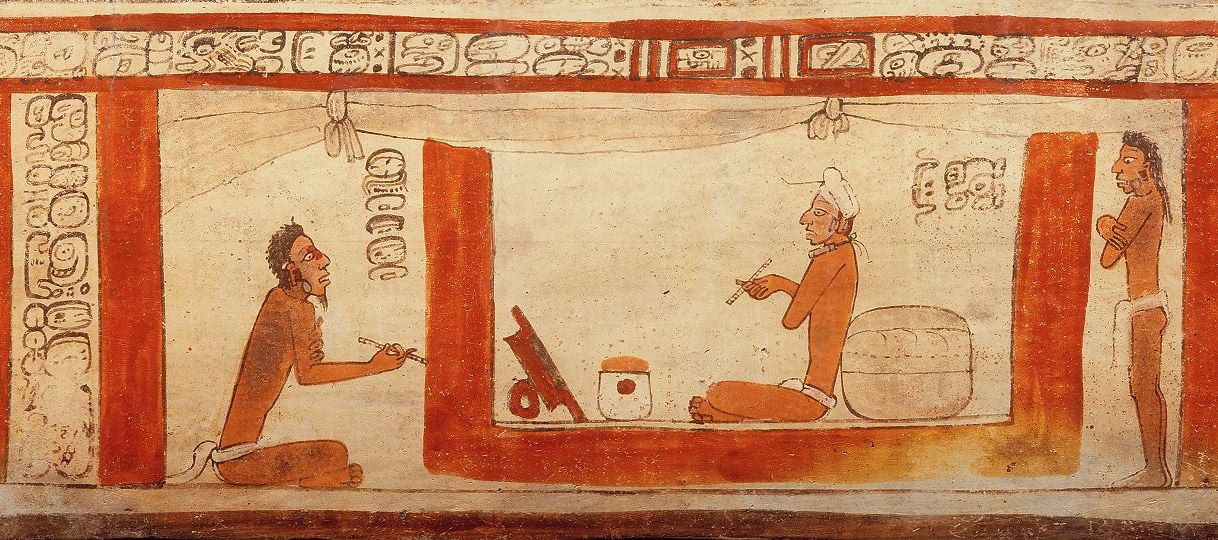
The Maya and Aztecs used tobacco for rituals long before European cigar culture emerged
1492 — The Meeting of World
On October 12, 1492, Christopher Columbus reaches the shores of America. His crew watches in astonishment as the locals inhale the smoke of rolled-up leaves. This is how Europe first becomes acquainted with tobacco. The Admiral himself does not initially attach importance to it, but his companions bring the curiosity home as a novelty.
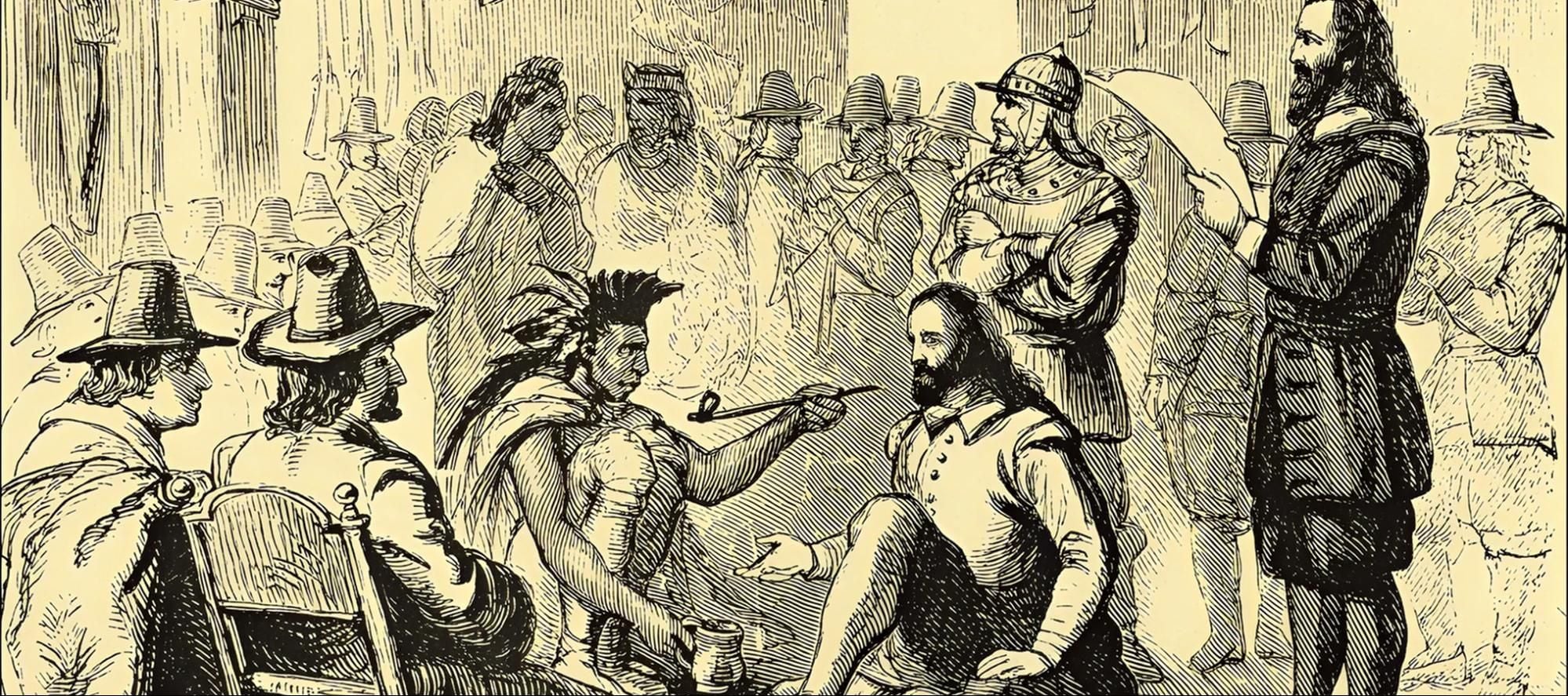
1492 — Europe's first contact with tobacco through Columbus's expedition
16th Century — Art at Court
French diplomat Jean Nicot (whose name would later give the word "nicotine") recommends tobacco to Queen Catherine de' Medici as a remedy for migraines. The plant is named "Nicot's Herb" (Herbe à Nicot). Snuff becomes a fashionable accessory of the European aristocracy, a symbol of refined taste.
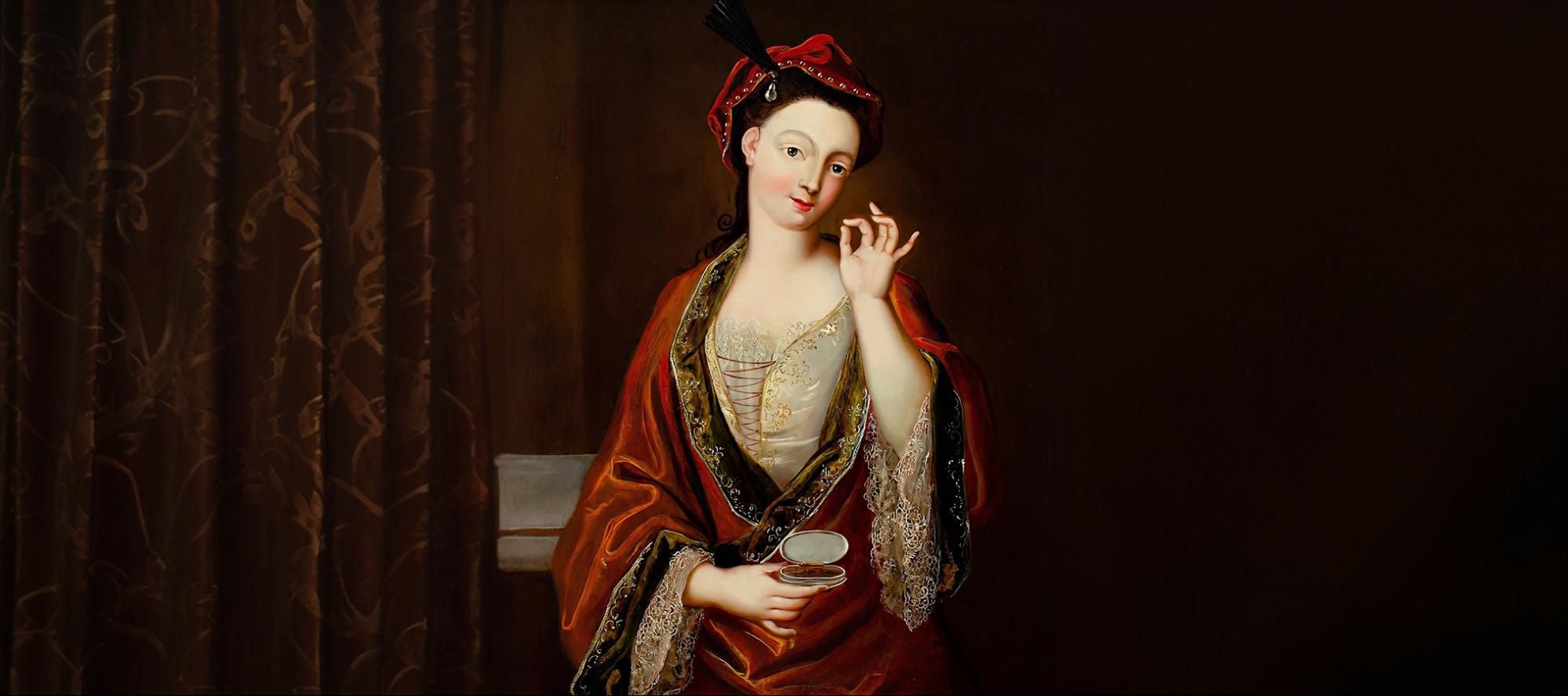
Jean Nicot — the diplomat whose name gave us the word "nicotine"
1717 — The Birth of the Cigar
The world's first cigar factory, the Real Fábrica de Tabacos, opens in the Spanish city of Seville. It is here that tobacco first begins to be rolled in the form we know today. Spain becomes the monopolist and trendsetter of cigar fashion for decades.
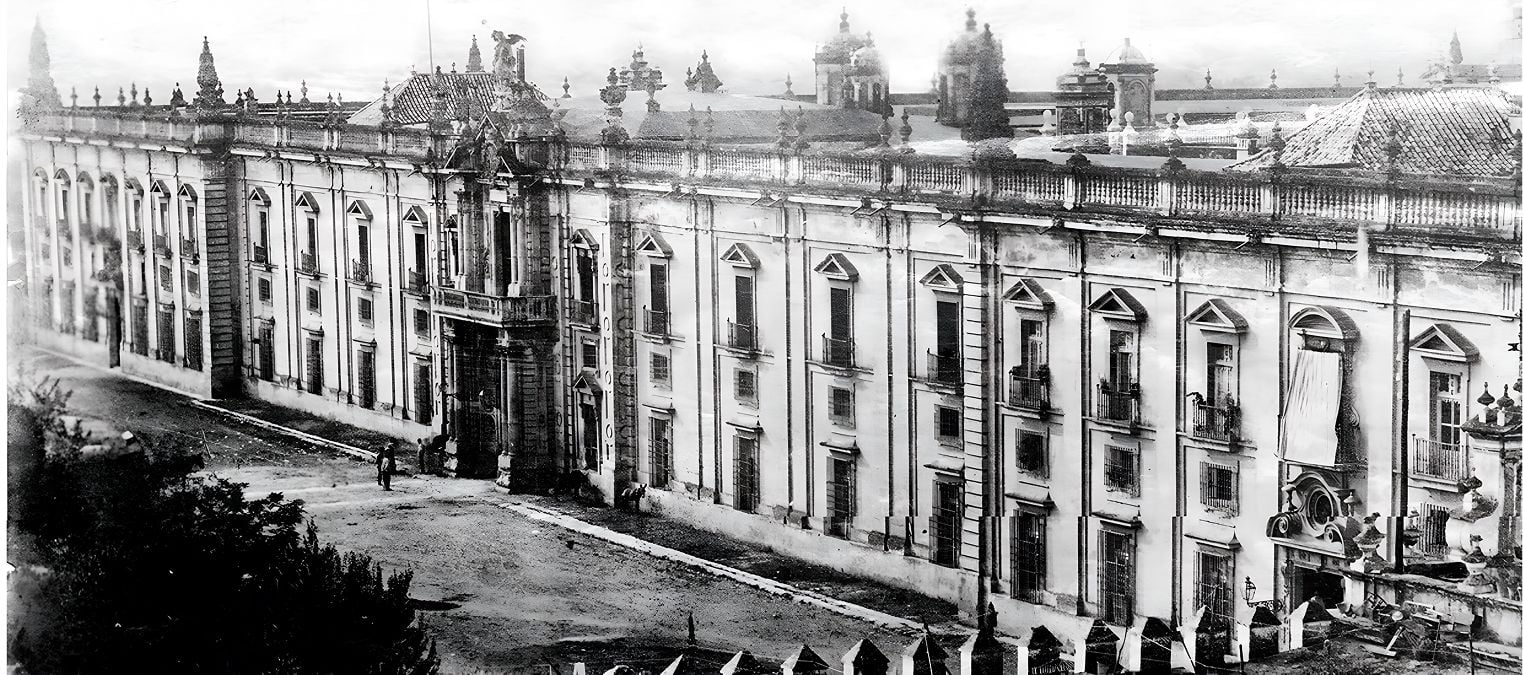
Real Fábrica de Tabacos, Seville — where cigar industry was born in 1717
1762 — America Lights Up
American General Israel Putnam returns from Cuba to Connecticut, bringing with him a huge shipment of Havana cigars – according to legend, about 30,000 of them. He is also credited with bringing the first Cuban seeds to the area, initiating the great history of tobacco cultivation in the Connecticut River Valley. Today, this region is famous for its exquisite wrapper leaves, known worldwide as Connecticut Shade.
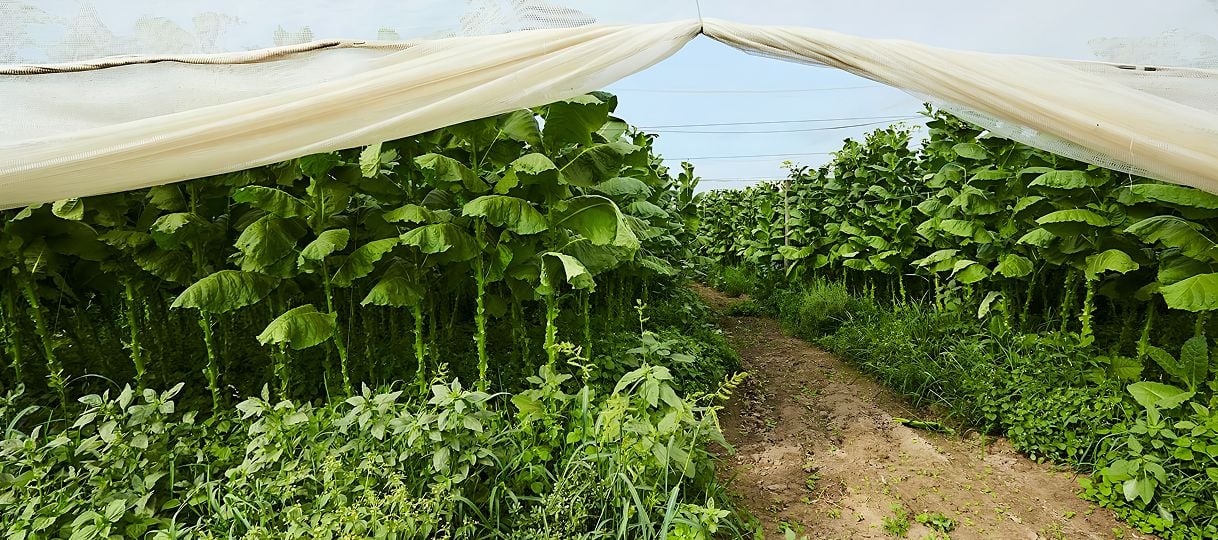
The Connecticut River Valley — home of Connecticut Shade, one of the finest wrapper leaves in the world
1817 — Havana Becomes a Legend
On June 23, 1817, Spanish King Ferdinand VII signs a historic decree abolishing the royal monopoly on tobacco. Cuba finally gains the right to freely trade cigars with the outside world. This decision opens the floodgates: in just two years, hundreds of new cigar factories spring up on the island. The golden age of Cuban tobacco begins, which in just a few decades would make the word "Havana" synonymous with the highest quality.
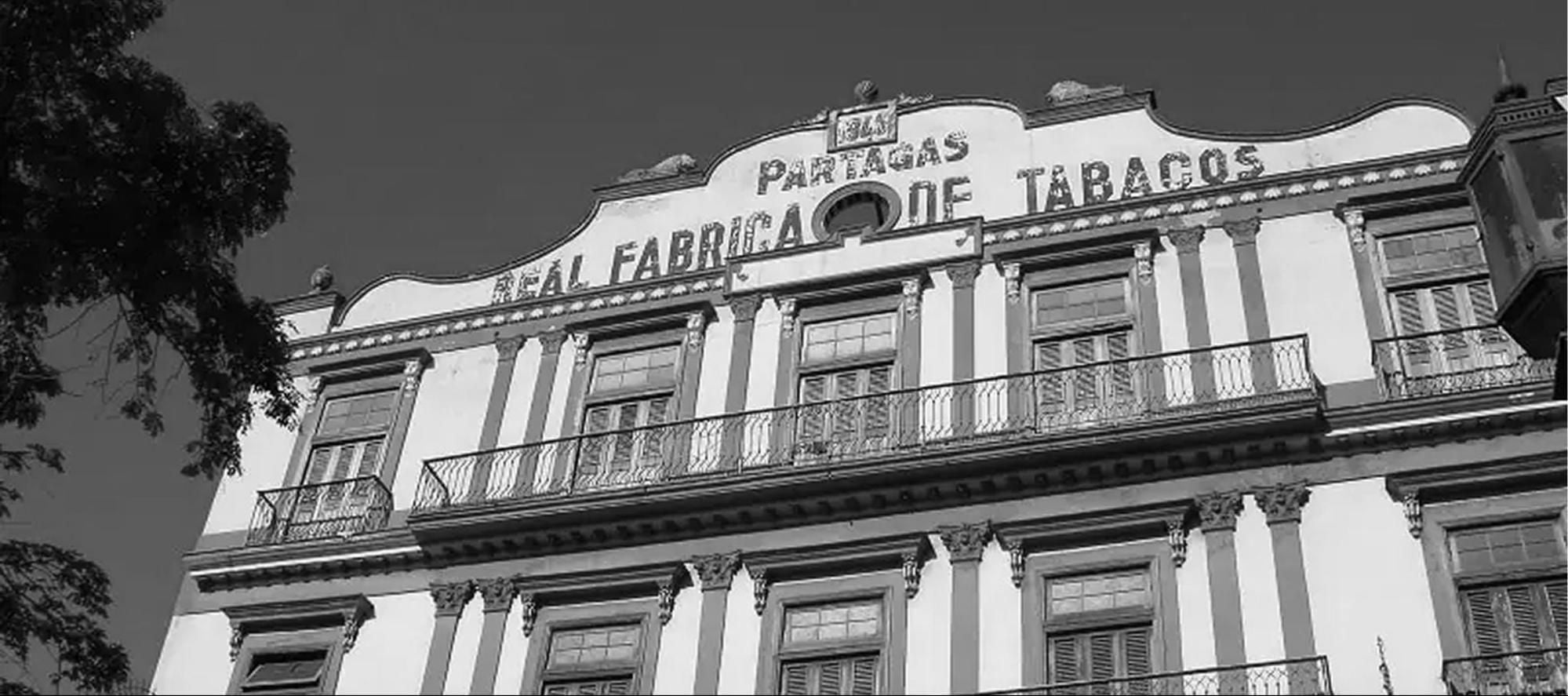
1817 — Cuba gains the right to freely trade cigars; Havana becomes the world's cigar capital
Late 19th Century — The Golden Age
Cigars become firmly entrenched in the culture of gentlemen. They are smoked in literary salons and political offices. The first famous brands and formats appear, named after the heroes of their time. The cigar becomes not just a habit, but a symbol of an accomplished personality, a gentleman who knows how to appreciate quality and a pause in the endless race of life.
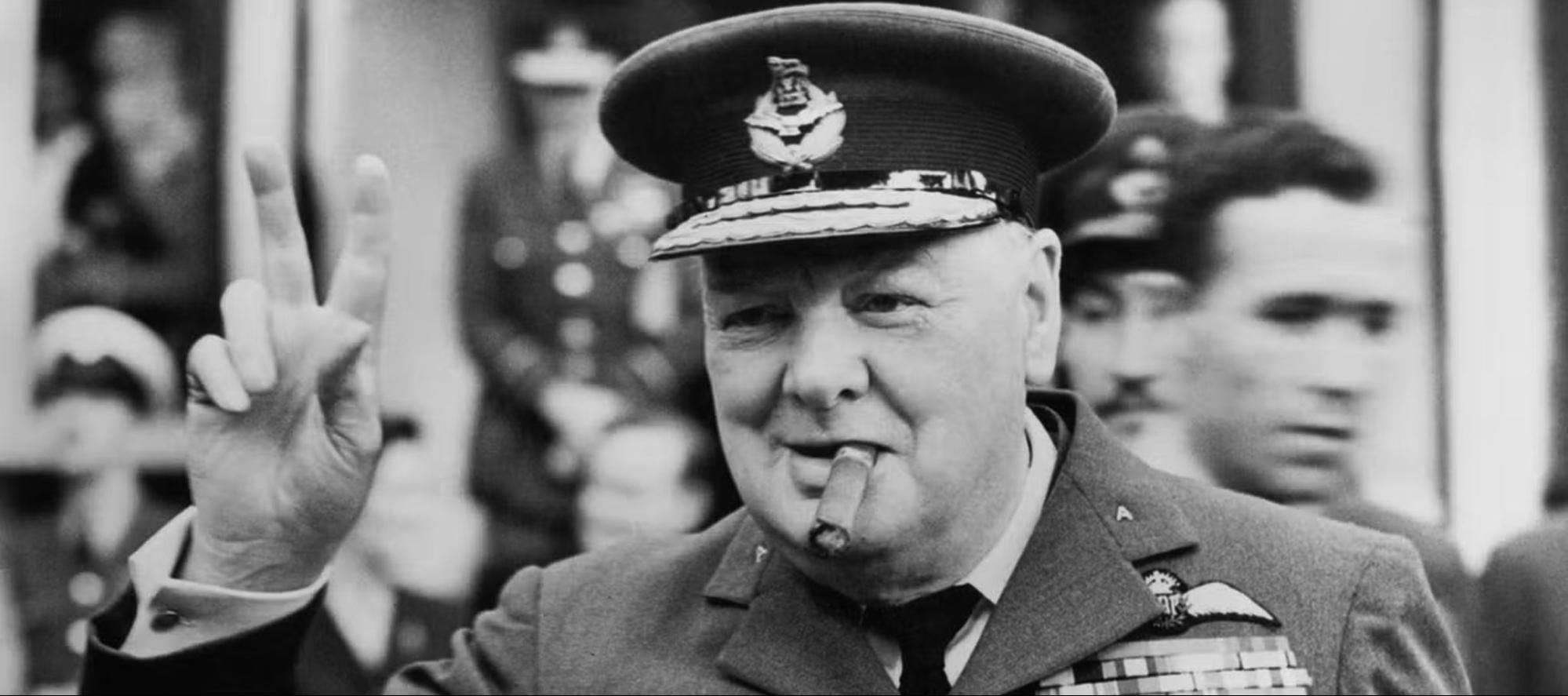
Churchill, Twain, Freud — the cigar of the era was the accessory of great minds and strong personalities
Early 21st Century — Return to Roots
In an era of high speeds and digital noise, the cigar is experiencing a new renaissance. It becomes not just a habit, but a conscious choice – an anchor that brings us back to the here and now. Today's cigars are the pinnacle of the skill of cultivators and rollers. Names like Cohiba, Montecristo, Arturo Fuente, Davidoff are known around the world as well as Patek Philippe watches or Rolls-Royce cars. The cigar remains a quiet yet indisputable sign of attention to detail, a symbol of time that you dedicate solely to yourself and a worthy companion. And this tradition is as alive as ever.
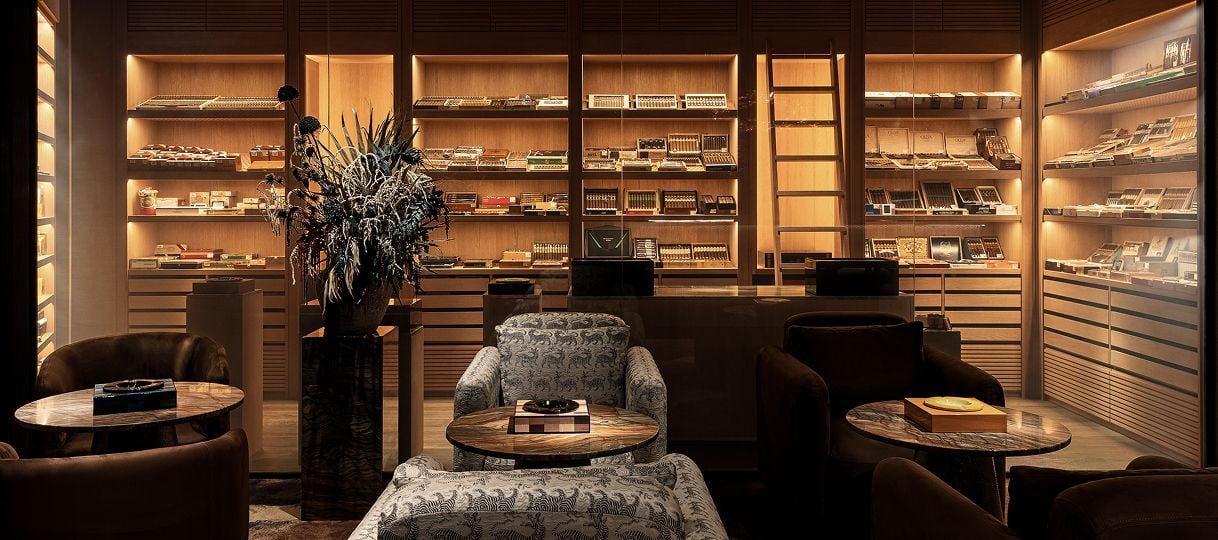
Today a cigar is a conscious choice — a symbol of time you dedicate solely to yourself
As you can see, the path from the ritual leaf of the Maya to a premium accessory took millennia. Every cigar you light carries echoes of this long history of discoveries, craftsmanship, and traditions.
And now that we know how cigars came to be, let's look at how they are constructed.
Anatomy — The Three Hearts of a Cigar
When you first pick up a cigar, it seems monolithic, whole. But that's only a first impression. The true skill of the torcedor (master roller) lies in combining three completely different tissues into a single, breathing organism.
There's an old saying in the cigar world: "The wrapper leaf is the face, the binder leaf is the skeleton, and the filler is the soul." And there is more truth in this than poetry. Each layer performs its own function, and each influences what your encounter with the cigar will be like.
Let's look inside and dissect the anatomy of a cigar, piece by piece.
Wrapper (Capa) — The Face of the Cigar
Let's start from the outside. The wrapper leaf is what you see first. It creates the first impression. An experienced cigar lover can tell a lot about a cigar just by looking at it.
This leaf is the most expensive and the most beautiful in the cigar. It is grown under special conditions. For example, the famous Connecticut Shade variety grows under huge cheesecloth tents that protect the delicate leaves from direct sunlight. This is done so the leaf grows thin, silky, elastic, and without coarse veins.
The wrapper leaf is pure aesthetics. It determines the cigar's appearance, making it attractive. Its color (from light green Claro to dark, almost chocolate Oscuro) is part of the experience. And also, the fewer noticeable veins on the wrapper leaf, the higher the quality of the leaf and the more prestigious the cigar itself.
Binder (Capote) — The Invisible Framework
Beneath the elegant outer shell lies what holds the shape of the whole cigar. The binder leaf is the framework. You will never see it in a finished cigar, but without it, the cigar would simply fall apart.
This leaf is wrapped around the filler, holding it in a tight, even bunch. Sometimes the binder leaf is kept secret because it directly affects the taste.
Filler (Tripa) — The Heart and Soul
And finally, the most complex and interesting part: the heart of the cigar. The filler consists of whole tobacco leaves or a blend of them. An experienced master blender works like a perfumer: they mix different types of tobacco from different regions to create a unique bouquet of flavor and aroma. Some producers conduct blind tastings of new cigars with specially selected focus groups.
The secret of a cigar's complexity lies in the filler. Some leaves provide flavor, others provide strength.
In quality premium cigars, only long filler is used – whole tobacco leaves, rolled lengthwise. This kind of cigar delivers a rich, evolving flavor, and they are always rolled by hand. Machine-made cigars exist, but they are a completely different product, and comparing them with handmade cigars is incorrect. To make sure a cigar is handmade, look for the mark "Totalmente a mano" on the box.
Bonus for the Attentive — The Three Floors of Flavor
For those who want to understand cigars even more deeply: inside the filler, there is its own hierarchy. On the tobacco plant, leaves grow on three levels, and each has its role:
- Volado – the lower leaves. They get the least sun, so they grow thin and light. Their main task is to ensure an even, calm burn. This is the foundation.
- Seco – the middle of the plant. This is the "golden mean." Seco leaves provide the main aroma and flavor bouquet. They are the voice of the cigar.
- Ligero – the upper leaves. They receive the most sun, so they become the densest, oiliest, and strongest. Ligero is responsible for the strength, richness, and that long, pleasant aftertaste.
The art of blending lies in finding the perfect balance between these three floors. Too much ligero – the cigar will be overpowering. Too much volado – it will be empty and bland. Balance and consistency – this is what distinguishes a great cigar from just a good one.
Now that you know the internal structure of a cigar, it has ceased to be just a "tobacco stick" for you. You see it as a complex construction, the result of the labor of many masters. And every time you pick up a new specimen, you will understand what its soul is woven from.
After we have dissected the "body," let's learn how to speak about it correctly. We move on to the glossary of terms.
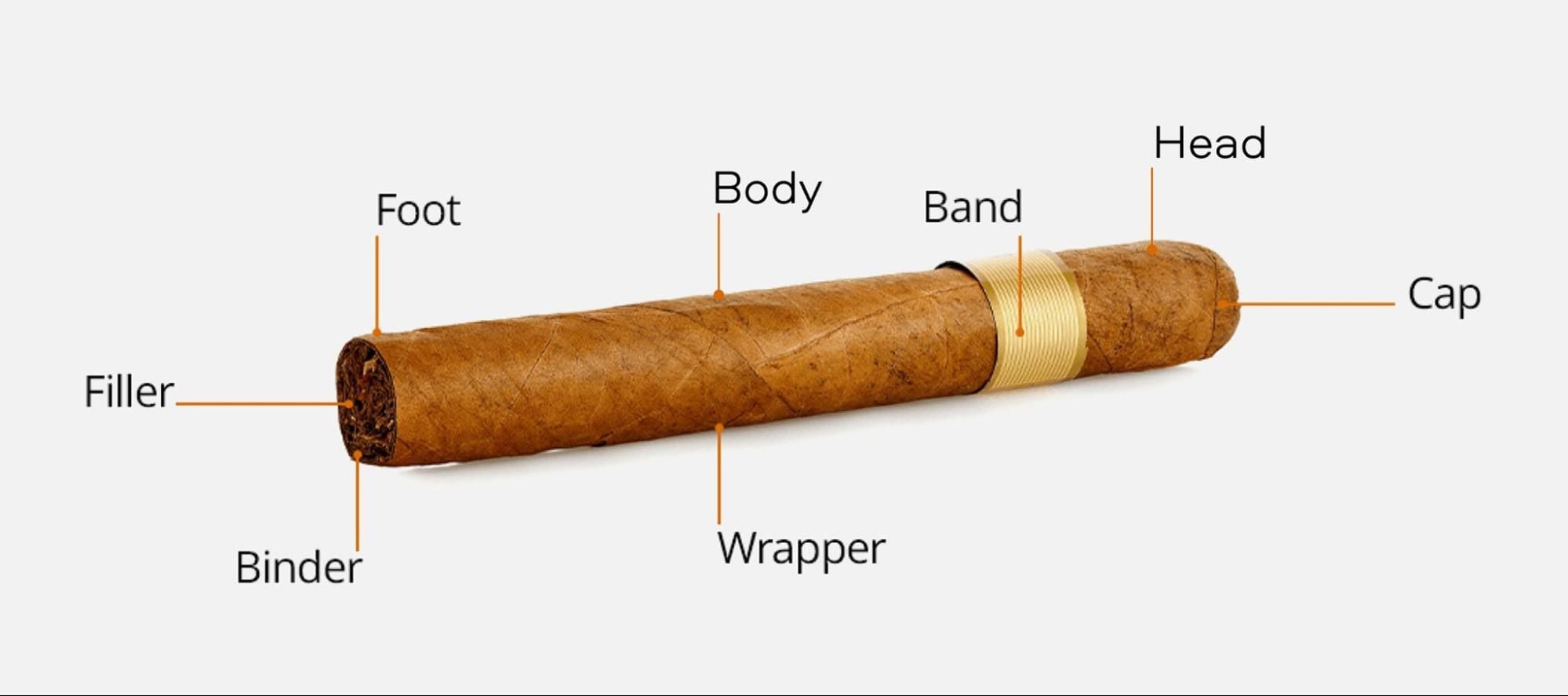
Wrapper (Capa) · Binder (Capote) · Filler (Tripa) — three layers, three roles
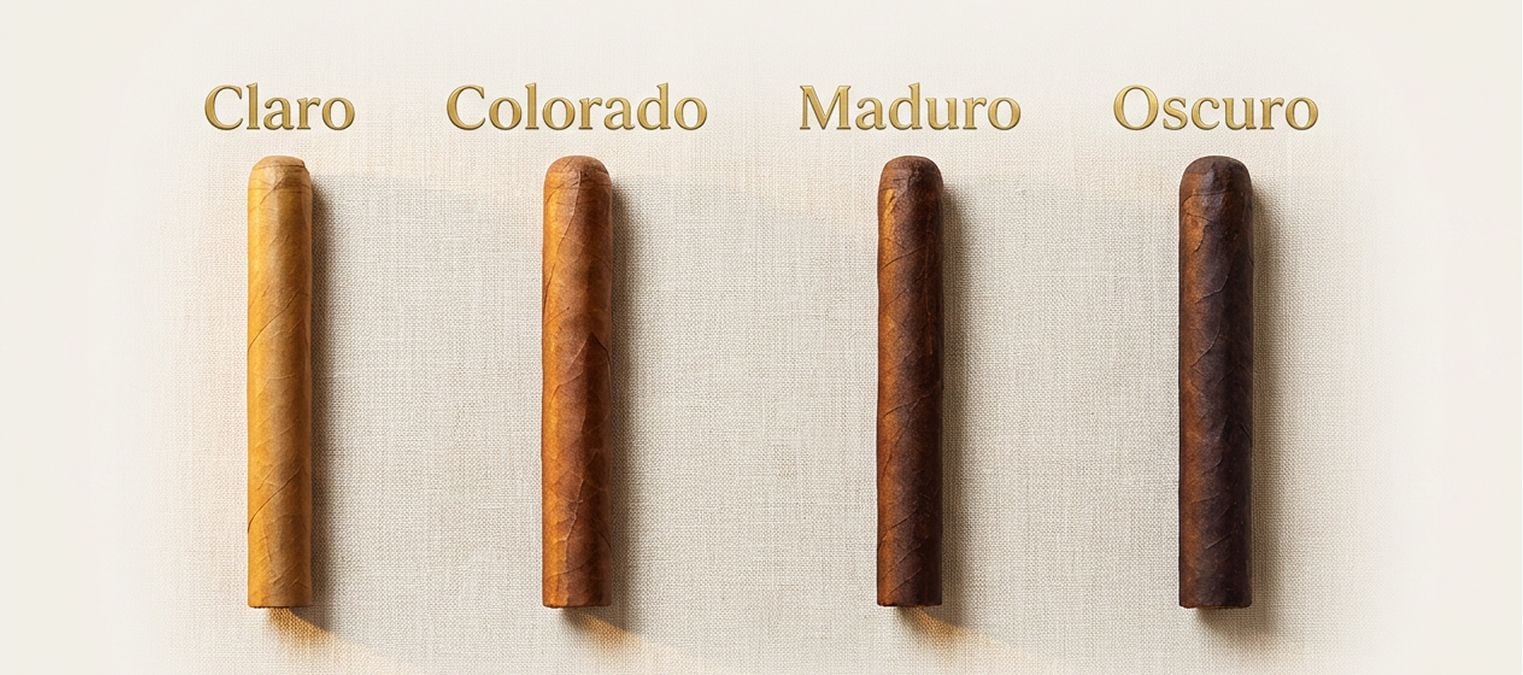
Claro · Colorado · Maduro · Oscuro — wrapper color influences flavor intensity
Formats and Sizes — What the Shapes Say
In a cigar boutique, you will be presented with dozens of cigars to choose from. Some are long and slender, others short and stocky, and still others are of fanciful shapes. How not to get confused and choose what's right for you?
Thickness is not just a matter of aesthetics. The length and thickness (ring gauge) of a cigar directly affect how it burns, how rich the smoke will be, and how long your pleasure will last.
A thicker cigar allows you to get more smoke in one puff, and it also affects the smoking time. The thicker the cigar, the lower the smoke concentration. A thinner cigar might have a brighter, more accentuated taste.
In the modern cigar world, classical canons are gradually giving way to a freer approach. While strict standards once existed (especially in Cuba), today each manufacturer can offer its own unique vitola. Nevertheless, there is a "golden fund" of formats whose names you will encounter most often.
Robusto
The undisputed king of modernity. This is a short (115–140 mm) and thick (48–54 ring gauge) cigar that has conquered the world with its balance: rich flavor, cool smoke, and optimal smoking time (about an hour). The Robusto is perfect for both a quick evening smoke and a thorough introduction to a new brand.
Toro
A close relative of the Robusto, but longer (about 150–155 mm) with the same or slightly larger thickness (50–54 ring gauge). Thanks to the increased length, the smoke has time to cool down a bit, and the smoking time increases to 80–100 minutes. This is a choice for those for whom an hour is not enough, and who don't want to part with the cigar.
Churchill
A legendary format named after Sir Winston Churchill. A long (170–195 mm) and elegant cigar with a diameter of 46–50 ring gauge. A classic aristocrat for unhurried conversations and long evenings. Smoking time – about an hour and a half.
Figurado and its Family
This is a general name for all cigars of a non-straight, figurado shape. They require the highest skill from the torcedor and special attention from the smoker. Two of the most popular representatives:
- Torpedo: A powerful cigar that tapers towards the head, resembling a streamlined projectile. Thanks to the tapered tip, the smoke is concentrated, making the taste more intense and focused. Typical sizes: 150–155 mm × 50–52 ring gauge.
- Belicoso: A close relative of the Torpedo, but with a shorter and sharper, "bayonet-like" tip. The name translates from Spanish as "warlike." It gives an even denser and more focused taste with similar dimensions (about 150 mm × 50–52 ring gauge).
A Short Note on the Corona
Previously, the "Corona" (about 140–150 mm × 42–44 ring gauge) was the benchmark. Today, this elegant format is less common and remains mostly in the lines of old, traditional brands. Modern producers prefer thicker vitolas, so when you encounter a "Corona," know: you are dealing with a classic in its original form.
The Main Innovation of Our Time
Previously, the format strictly dictated the dimensions. Today, producers are increasingly naming cigars as they see fit, creating their own unique vitolas. For example, one brand might call a cigar "Robusto" with a length of 130 mm, while another uses more modest parameters. Therefore, always pay attention to the specific numbers for length and ring gauge – this is the only way to accurately understand what you are buying.
How to Choose a Format
When choosing a vitola, consider these factors:
- Time. The longer the cigar, the longer the smoking time. Short formats (robusto, petit corona) are for busy people. But remember: the longer the smoking time, the more fully the oils and esters unfold, the richer the sensations. Experienced cigar lovers often choose larger formats.
- Thickness. A thicker cigar allows you to get more smoke in one puff, which also affects smoking time. The thicker the cigar, the lower the smoke concentration. A thinner cigar might have a brighter, more accentuated taste. Thin cigars are simpler and more even in their flavor profile.
- Shape. Figurado cigars offer a development of flavor throughout the entire smoke.
- General State. To fully enjoy a cigar, you need to be well-fed, rested, calm, and have had enough sleep. Your receptors should be at peace; there should be no fuss in your thoughts. Relax, and the cigar is sure to give you pleasant impressions.
- Exoticness. If you are a beginner smoker, ask for a mild, small cigar with the simplest possible flavor. A strong cigar will differ only in complexity of flavor, so don't be afraid to start with simple, inexpensive, but quality vitolas.
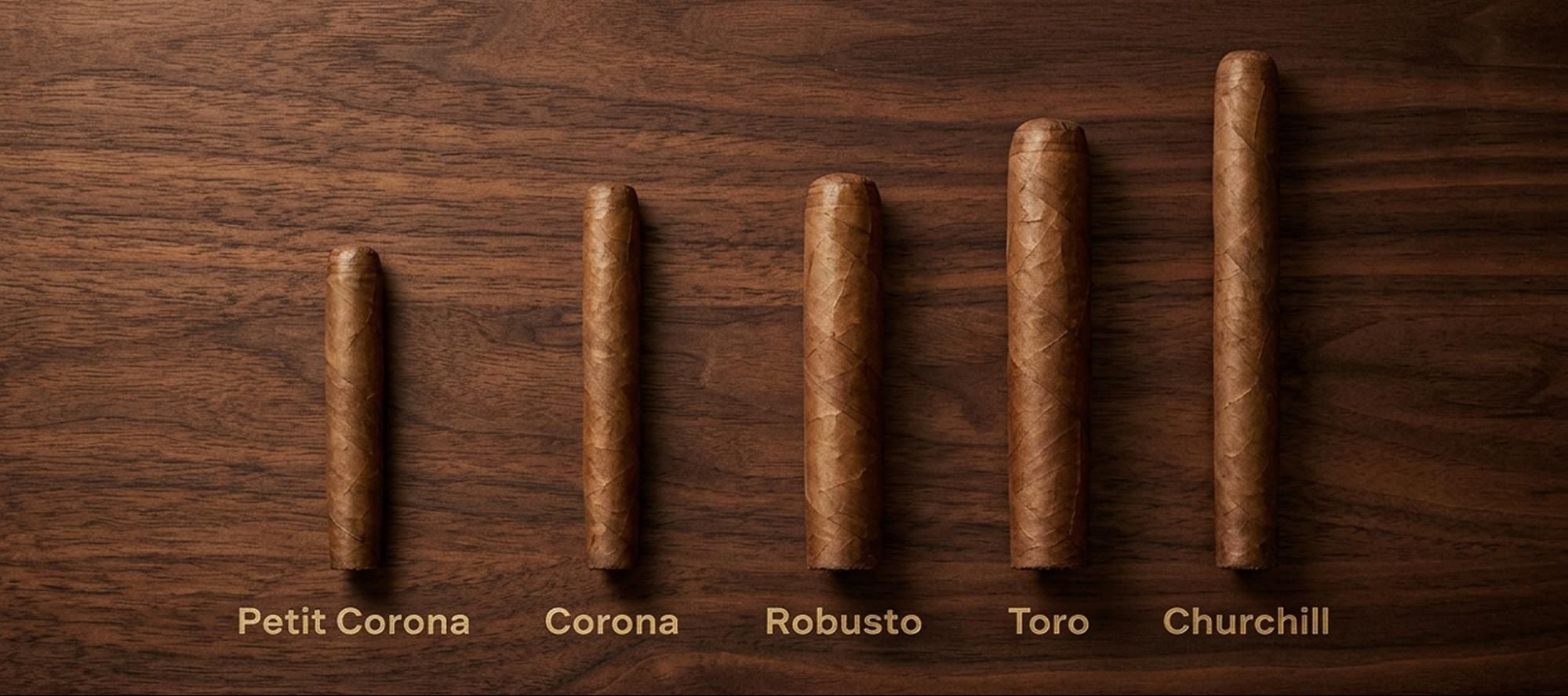
From left to right: compact to long — formats define smoking time and character
Glossary of Cigar Terms
If you walk into a cigar lounge and say "I need that shorter but thicker one" — of course you'll be understood. But it's more pleasant to be able to explain what you want. Here is the complete glossary for a confident conversation.
1. Cigar Anatomy (What It's Made Of)
| Term | Description |
|---|---|
| Cigar | A product made of three parts: filler, binder, and wrapper |
| Tripa / Filler | The inner leaves responsible for taste, aroma, and strength |
| Short Filler | Leaf scraps. Used in inexpensive cigars, burns faster and hotter |
| Long Filler | Whole leaves. A sign of a quality handmade cigar, gives a complex taste and a cool burn |
| Binder | An elastic leaf that wraps around the filler. Forms the cigar's framework and holds everything together |
| Wrapper | The most expensive outer leaf. Determines the cigar's appearance |
| Head | The closed end of the cigar, which is cut before smoking |
| Foot | The open end of the cigar, which is lit |
| Body | The main part of the cigar between the head and the foot |
| Band | The ring with the logo. The cigar's label |
2. Production and Aging
| Term | Description |
|---|---|
| Fermentation | The process of treating tobacco after drying in pilones (piles). Harmful substances break down, the leaf softens, aromas form |
| Aging | Long-term storage of finished cigars or leaves. Flavors harmonize, strength smoothes out, tobacco "matures" |
| Torcedor / Roller | A highly skilled master of handmade cigar rolling |
| Lector | A traditional position in Cuban factories — a reader who read news and literature aloud to workers |
| Havana | A protected designation of origin. Only cigars made in Cuba |
| New World | Cigars produced outside Cuba (Dominican Republic, Nicaragua, Honduras, etc.) |
3. Shape and Size
| Term | Size | Smoking Time |
|---|---|---|
| Vitola | Universal cigar format name | — |
| Ring Gauge | 1 ring = 1/64 of an inch (~0.4 mm). Example: 50 ring = ~19.8 mm | — |
| Length | Measured in inches or centimeters | — |
| Parejo | Straight, cylindrical cigars | — |
| Corona | 5.5–6" × 42–44 | 40–50 min |
| Petit Corona | 4–5" × 40–42 | 30–45 min |
| Robusto | 4.75–5.5" × 48–52 | 45–60 min |
| Toro | 6" × 50–54 | 60–75 min |
| Churchill | 7" × 47–49 | 60–90 min |
| Double Corona / Prominente | 7.5" × 49–52 | 90+ min |
| Panetela | 6–7.5" × 34–38 | 45–60 min |
| Lonsdale | 6.5" × 42–44 | 50–65 min |
| Corona Gorda | 5.6" × 46 | — |
| Rothschild | 4.5" × 50 | — |
| Figurado | Cigars of a non-straight shape with tapers | — |
| Pyramid | Tapers towards the head | — |
| Belicoso | A short pyramid with a rounded head | 60–75 min |
| Torpedo | Tapers from one end | 60–75 min |
| Perfecto | A bulging body, tapers at both ends | up to 90 min |
| Culebra | Three thin cigars braided together | 40–55 min |
4. Smoking Characteristics
| Term | Description |
|---|---|
| Draw | The ease with which smoke passes through on a puff. Ideal is moderate resistance, like a thick cocktail |
| Even Burn | The ember burns evenly around the circle |
| Run / Canoeing | One side burns faster than the other |
| Tunneling | The inside burns faster than the outside |
| Strength | The level of nicotine and its impact. Scale: Light → Low Medium → Medium → Medium-Full → Full |
| Body | Flavor intensity and smoke density. Scale of 1 to 5, where 1 is mild and 5 is maximum |
| Flavor Profile | Description of tastes and aromas: woody, nutty, earthy, spicy, coffee, creamy, etc. |
| Complexity / Evolution | The change in flavor by thirds (first, second, third). A sign of a quality cigar |
5. Tools and Accessories
| Tool | Description |
|---|---|
| Humidor | A device for storing cigars. Temperature 18–20°C, humidity 65–72%. Equipped with a humidifier and hygrometer |
| Boveda Pack | A two-way humidification pack that precisely maintains a set humidity level. Just placed in the humidor |
| Bovedador | An airtight plastic container — a budget alternative to a humidor. Works excellently with Boveda packs |
| Guillotine | Slices the cap off perpendicularly. The most common tool |
| Punch | Makes a neat, round hole. Smoke is more concentrated |
| V-Cutter | Makes a V-shaped cut. Good draw, impressive look |
SUMMARY
Recommended
All articles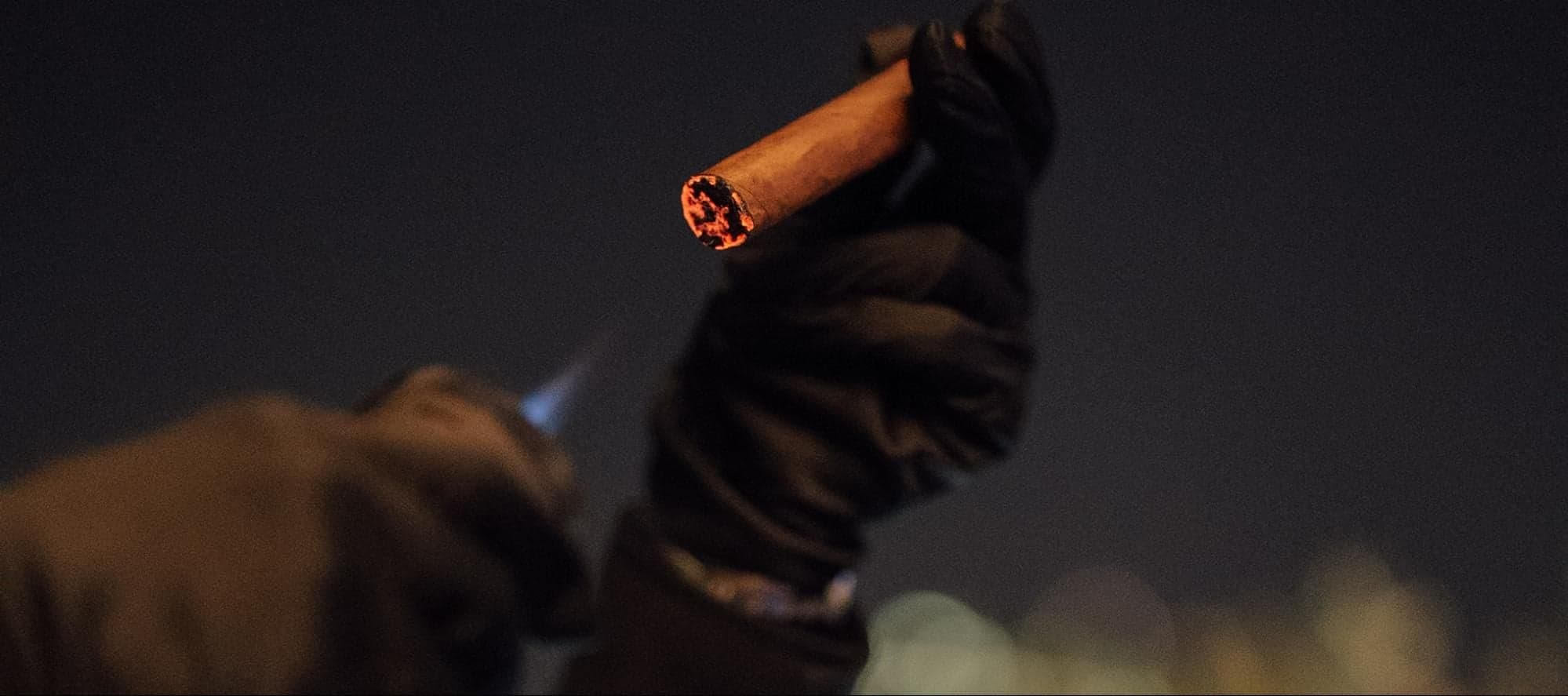
So, the cigar is chosen and purchased. Now the most interesting part begins - the ritual. For your first encounter with a cigar to leave only pleasant impressions, it is important to follow a few simple but essential steps. This guide will walk you through the entire journey - from unwrapping to the "dignified death" of the cigar.
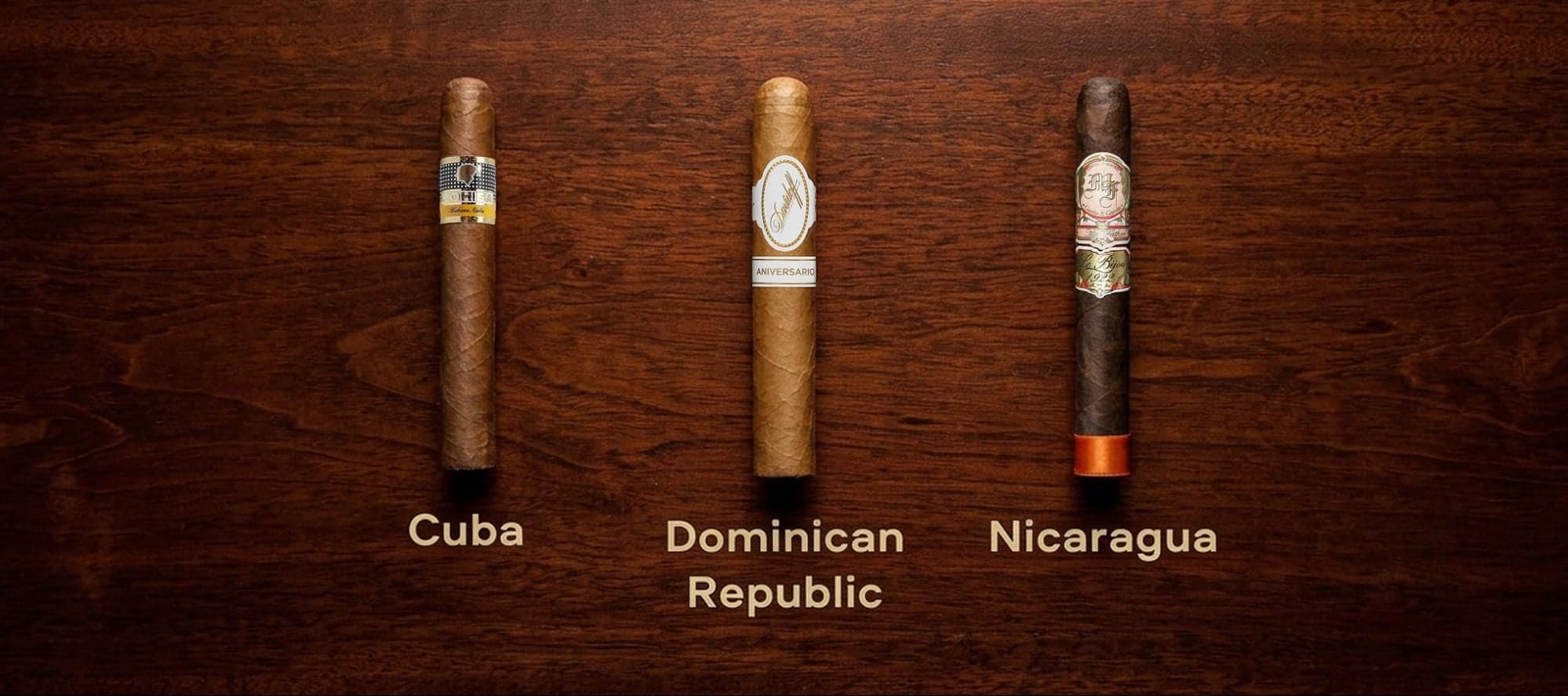
In this lesson we will find out how cigars from different countries differ, and also learn the difference between strength and body.
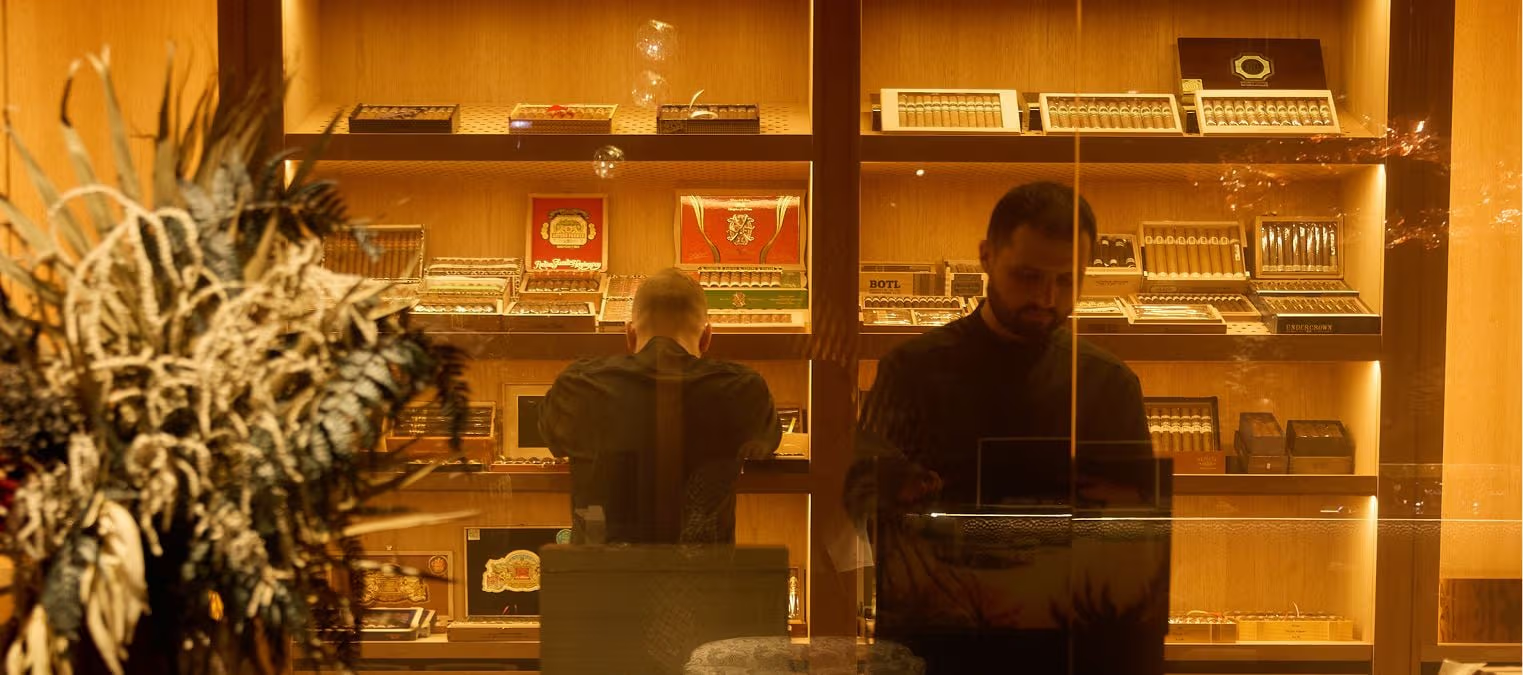
A cigar is not just a tobacco product. It is a living product, in which natural processes continue to occur even after rolling. You must treat it accordingly: with understanding and respect. In this lesson, we will tell you how to create ideal conditions for a cigar, how to save it if something goes wrong, and, of course, we will debunk the most popular myths surrounding cigar culture.
