

How to Tell a Real Cigar from a Fake and Properly Care for Your Humidor
The final lesson of our series is dedicated to two very practical topics. The first - how not to become a victim of a fake and be confident in the authenticity of what you are smoking. The second - how to care for a humidor so that cigars in it live long and happily. Both topics require attention to detail, but don't be alarmed: the rules here are simple and clear.
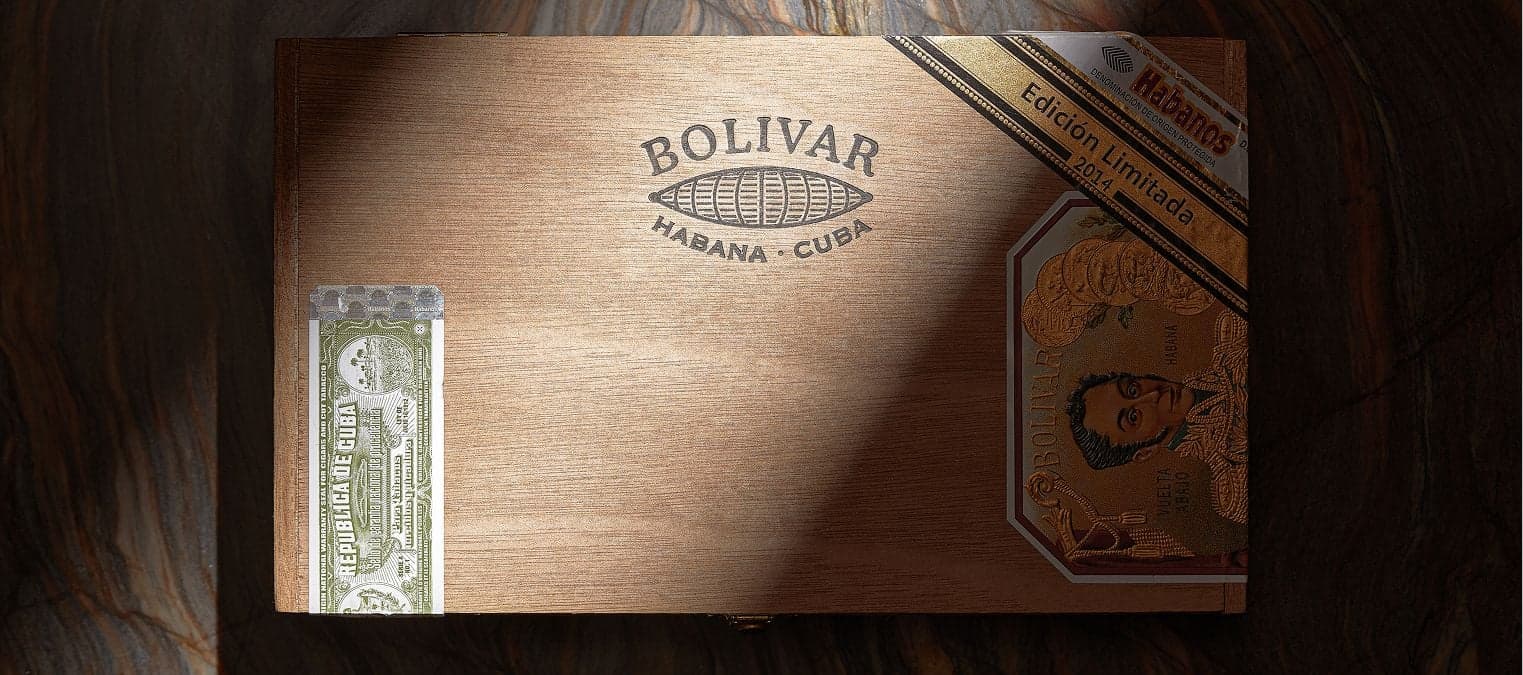
Fakes: Why They Exist and Who Is at Risk
When it comes to fakes, in the vast majority of cases, we are talking about Cuban cigars. New World cigars — from the Dominican Republic, Nicaragua, Honduras — are counterfeited extremely rarely. There are several reasons. First, these producers release colossal volumes of cigars, from budget to premium, and there is simply no economic sense in counterfeiting them. Second, among them there are no such ultra-expensive items, the hunting for which could justify the production of fakes.
With Cuban cigars, the situation is the opposite. They are counterfeited constantly, and there are three main reasons for this.
The first is the poverty of the local population combined with a huge tourist flow. People come to Cuba wanting to bring back real cigars, and local residents, taking advantage of this, sell them outright fakes, often rolled from banana tree leaves.
The second reason is that demand for Cuban cigars consistently exceeds supply. When a popular brand or format is not available in official sale, underground producers are happy to fill this vacuum.
The third reason is that tobacco culture is truly deeply rooted in Cuba. Many people grow tobacco in their yards and roll cigars for themselves. Part of this "home production" goes into illegal sale. This is not always a fake in the sense that there might be real tobacco inside, but it is definitely not the cigar you expect to receive, and there is no quality guarantee here.
How Not to Buy a Fake in Cuba
If you are in Cuba, the rule is exactly one: cigars must be purchased only in specialized shops. These are either shops at hotels or official La Casa del Habano outlets. That's it.
Never buy cigars on the beach from local vendors. Neither a street seller nor a worker offering you "cigars from the factory" can have real Cuban cigars with bands. Factory workers are indeed entitled to one free cigar per day, but this is a cigar without a band, and it is not given out every day. Taking a box or even a couple of cigars with bands out of the factory is impossible: exit control is very strict, and the punishment for theft in Cuba is serious. Stories about "I work at the factory and they gave me a whole box" or "I stole it" are classic tricks.
A separate story is cigars without bands that are offered on the street. Such cigars are not a fake in the sense that they were indeed rolled by a local resident, possibly even from tobacco from their own garden. But first, you don't know what they are rolled from. Sometimes banana tree leaves are used under the guise of tobacco. And second, no one guarantees that such a cigar won't make you feel ill.
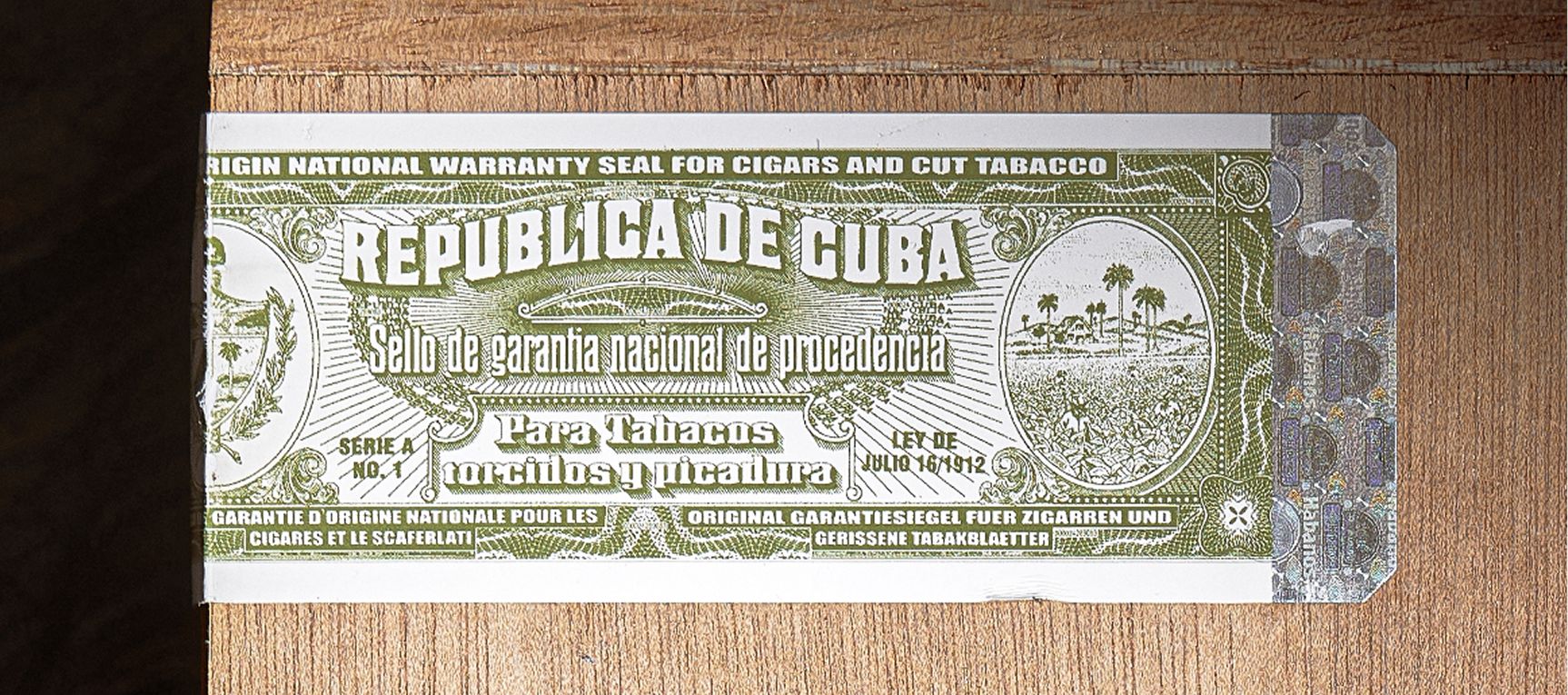
The unique number on the stamp can be verified at verificacion.habanos.com — numbers never repeat
How to Spot a Fake Outside of Cuba
In Russia, the UAE, and any other country outside Cuba, the rules are the same, but with nuances. The most reliable method is to buy cigars in specialized shops with a proven reputation. For Cuban cigars, there are special shop statuses: La Casa del Habano, Habanos Specialist, Habanos Point. These shops work directly with distributors and give almost a hundred percent guarantee of authenticity. All Pair stores — in Moscow, Dubai, and online — hold Habanos Specialist status.
If a shop does not have such a status, but has good reviews, has been in the market for many years, and is trusted by experienced smokers — this is also a reliable option. But if you are offered a Cuban cigar at a price two to three times below market, it is a guaranteed fake. Cuban cigars have a certain price, and Habanos controls rather strictly that prices around the world are approximately the same. A serious discount does not happen. Habanos S.A. is a joint Cuban-Spanish enterprise that holds the exclusive worldwide monopoly on the production, quality control, marketing, and export of all Cuban cigars. They are the sole official supplier of real Cuban cigars worldwide.
There are also technical verification methods. Every box of Cuban cigars has a Cuban excise stamp with a unique number. This number can be entered on the official Habanos website, and the system will show what box it is. Numbers never repeat: even two boxes of the same cigar will have different numbers. Under the excise stamp there is another one, the transport label — it is also often counterfeited, but many fake-makers neglect it, which allows one to identify the fake.
Limited and rare cigars often have watermarks visible only in ultraviolet light, as well as special holograms. For example, on some Cohiba cigars under ultraviolet the Cuban coat of arms appears. This information can be clarified in detail in shops with Habanos specialist status, for example, at Pair.
A Simple Lifehack for a Beginner
If you are buying cigars not from a specialized shop but from a private seller, and you already have a cigar that is definitively authentic (for example, purchased from an official shop), you can always compare them. Compare the appearance, the color of the wrapper leaf, the print quality on the band, the tactile sensations. If there are obvious discrepancies - this is a reason to be wary.
Another indirect sign: fakes are almost always sold in boxes, not individually. This is not an absolute rule, but it is a pattern.
The Reality of the Modern Market
In reality, today it is very difficult to distinguish a quality fake from the original. Scammers buy empty boxes from official shops (yes, they are sold, although conscientious sellers always destroy them), place fake cigars in them, and pack everything with original excise stamps. Only a very experienced smoker can distinguish a real cigar from a fake by taste, and even then not always. Therefore, the main and essentially the only reliable way of protection is to trust only a proven seller.
If You Are in Cuba
- Buy cigars only from specialized shops — La Casa del Habano, hotel shops, or reputable cigar boutiques.
- Do not buy cigars on the beach, on the street, from hand, in souvenir shops, or from taxi drivers.
- Do not believe sellers' stories about working at the factory and "taking out" cigars from there. Factory workers are not given cigars with bands, and theft in Cuba is punished very harshly.
- Remember: a cigar without a band, bought from hand, is not necessarily a fake, but it is definitely not an official product. You don't know what it is rolled from, and there is no guarantee it won't make you ill.
- Real Cuban cigars cannot cost two to three times below the market price. If the price is too low - it's a fake.
If You Are Buying Outside Cuba
- Buy cigars only from specialized cigar shops with a proven reputation.
- Pay attention to the shop's status for Cuban cigars: La Casa del Habano, Habanos Specialist, Habanos Point — this is the best guarantee of authenticity.
- If the shop does not have official status, check reviews, the history of operation in the market, and the trust of experienced smokers.
- Do not buy Cuban cigars on marketplaces, in dubious tobacco shops, or from private sellers without recommendations.
- Compare the price with the market. If you are offered a cigar two to three times cheaper than on official websites - it's a fake. Cuban cigars don't have a big discount.
How to Check the Box
- Every box of Cuban cigars has a Cuban excise stamp with a unique number. Enter this number on the official Habanos website — the system will show what box it is.
- Two boxes of the same cigar cannot have the same number. If the number matches - it's a fake.
- Under the excise stamp there is a transport label, which fake-makers often neglect. Its absence or poor quality execution is a sign of a fake.
How to Check the Cigar Itself
- The band (ring) must be printed clearly, without smudged letters and crooked lines. Compare it with photos of the original online.
- The wrapper leaf of a genuine cigar looks "expensive": it is intact, without cracks, with a characteristic texture. Fakes often have a crude or, on the contrary, unnaturally smooth wrapper.
- The head of the cigar should be neatly rounded and have an even "cap." On fakes, the head is often carelessly made.
- The filler from the foot side of a quality cigar consists of whole leaves, not crumbles or scraps.
- Weight and density: the cigar should not be too light or excessively heavy. A suspiciously light cigar is most likely dried out or rolled from garbage.
Caring for Your Humidor
A humidor is not just a beautiful box, but an instrument that requires proper handling. If it works as it should, cigars in it live long and delight with their taste. If not - cigars spoil, and the money spent turns out to be wasted.
Where Not to Keep a Humidor
The first and most important rule: a humidor should not stand in direct sunlight. The sun heats the box, the temperature inside rises, and with the usual humidity of 70–72 percent, ideal conditions for mold are created. In addition, from the heat the solid wood can "warp": the lid will stop fitting tightly, and there will no longer be any airtightness inside. And without airtightness, maintaining a microclimate is out of the question.
The second rule: a humidor should not stand in a room with strong and sharp odors. Cigars absorb surrounding aromas very well. If you put a humidor in a wardrobe where you spray perfume every day, there is a risk that the cigars will become saturated with these odors. In an ordinary apartment, you can put it almost anywhere, but it's better to keep it at least a few meters away from sources of intense aromas.
How to Prepare a New Humidor
The interior surface of a quality humidor is lined with Spanish cedar. This type of wood has an amazing ability to independently maintain humidity at around 69–72 percent. But before first use, the cedar must "drink" water.
In professional humidor rooms this process looks grand: the first session can require 150 liters of water, and the cedar absorbs it like a sponge. At home, everything is simpler. There are two methods.
The first - carefully spray all interior surfaces with distilled water from a spray bottle and immediately wipe with a dry cloth so as not to leave streaks. After that, place a glass of distilled water inside, close the humidor, and leave for a day.
The second method - just the glass of water, without spraying. It works more slowly, but is also effective.
In both cases, after the humidor has stood closed for a day, you need to open it, air it out, and check the humidity. If it holds around 70 percent - excellent, you can place cigars. If humidity is around 65–67 percent - also fine, you can place cigars, because the best humidifier for a humidor is the cigars themselves. They will gradually give off or absorb moisture, creating the ideal balance inside. If humidity is too high (for example, 80 percent), you need to leave the humidor open for a few hours so the excess moisture can escape.
An important note: for everything related to humidifying the humidor, only distilled water is used. Regular tap water leaves white deposits on the walls and on the cigars. This is not fatal, but it is unsightly and can create additional odors.
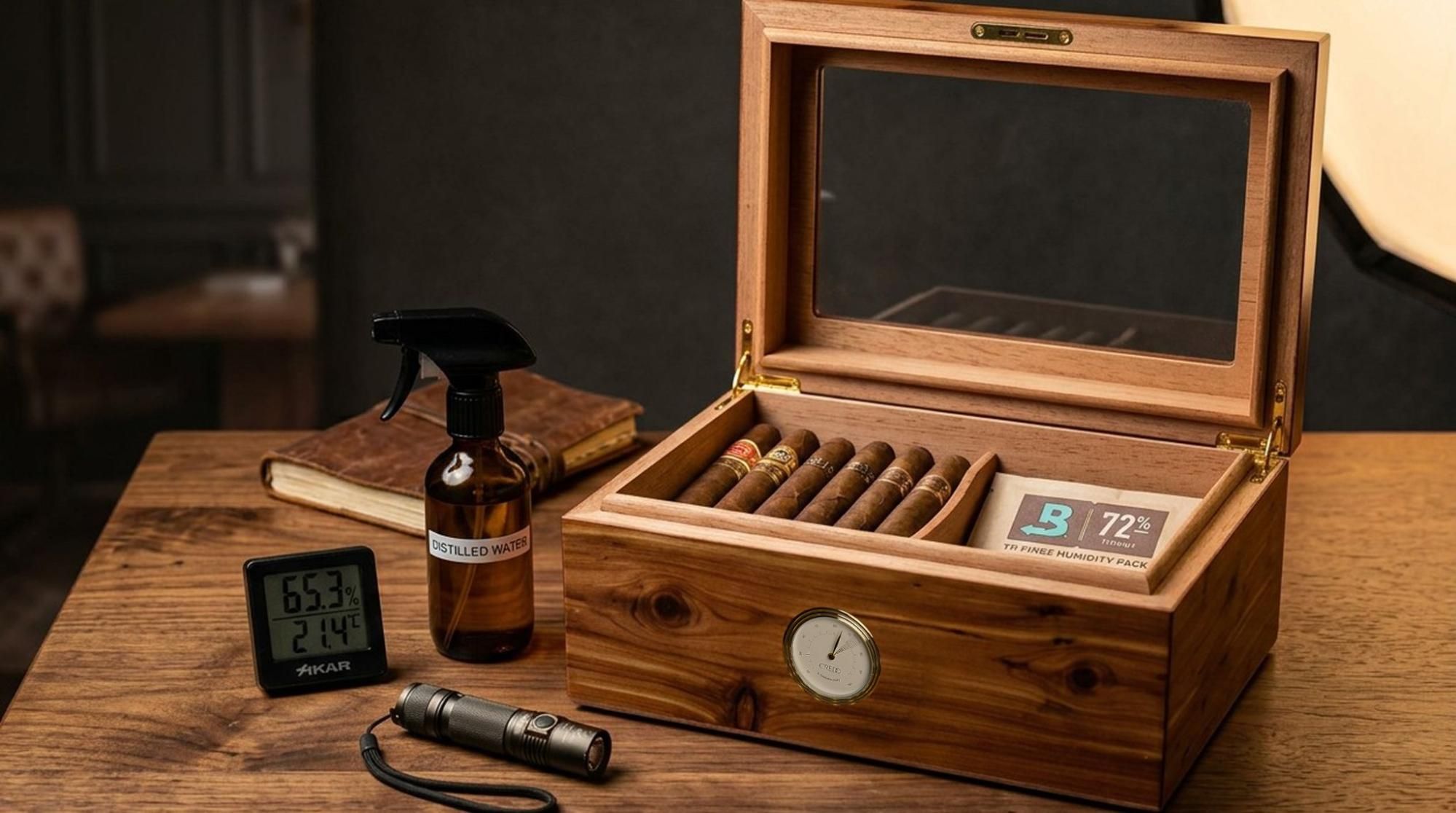
Before first use the cedar must "drink" distilled water
How to Monitor the Humidor During Use
Cigars are alive, they breathe, and the air inside the humidor should not stagnate. At least once every couple of days, even if you are not smoking, open the humidor for a few minutes to refresh the air. This reduces the risk of mold and helps cigars feel better.
Every few months it is worth taking all the cigars out, airing out the humidor itself, and also inspecting the cigars. It is useful to rearrange them: in a humidor, especially a multi-level one, humidity can differ slightly on different shelves. The bottom is usually more humid, the top is slightly drier. Rearranging helps even out the microclimate.
Washing the humidor inside with cleaning agents is categorically not allowed. Only clean distilled water. Outside, if it is a lacquered surface, you can wipe with a special furniture product, but the fewer extraneous odors, the better for the cigars.
Electronic Humidors: Is It Worth the Trouble?
Electronic humidors require the same initial preparation as ordinary wooden ones: the cedar inside also needs to drink moisture. But after that, maintenance is minimal. They monitor temperature and air circulation themselves. Some models allow you to regulate not only temperature but also humidity - they have a special tank where water is poured. The most advanced ones do everything automatically, and all you have to do is occasionally top up with distilled water. This is an expensive, but very convenient solution for those who don't want to constantly monitor the humidor.
Humidor Care as Part of the Culture
Caring for a humidor is not a complex science, but simply a set of careful habits. The right place, the right water, regular airing, and occasionally rearranging the cigars. If you do all this, the humidor will serve for a long time, and the cigars in it will delight you with their taste and aroma. And, of course, the easiest path for a beginner is to ask the seller at our boutique to prepare the humidor before purchase. It is free. You simply take away a ready-to-use humidor in which you can immediately place cigars.
- A person placed a new humidor on a windowsill. Morning and evening sun hits it, but it looks so beautiful — the wood shimmers. Is this a good idea?
Correct answer: NO. Direct sunlight heats the humidor, creating a greenhouse effect inside. At elevated temperature and 70% humidity, mold actively develops. In addition, from temperature fluctuations the wood can "warp," the lid will stop closing tightly, and the microclimate will be disrupted. - A person decided to wipe the inside of the humidor with a cloth with a small amount of dish soap to make sure everything is spotless clean. Did they do the right thing?
Correct answer: NO. No cleaning agents can be used inside the humidor — no soap, no alcohol, no scented wipes. Cigars absorb extraneous odors very well. The interior walls are wiped only with clean distilled water. - A person noticed that the humidity in the humidor dropped to 62%. They immediately took a spray bottle and generously sprayed the cigars so they would absorb moisture faster. Is this the right solution?
Correct answer: NO. You cannot spray cigars with water directly. From this the wrapper leaf may swell and crack, and the cigar will start burning unevenly. You need to humidify the environment — the walls of the humidor or the special humidifier. The cigars themselves will receive moisture gradually and without risk to their structure. - A person is going on a business trip for two weeks. They closed the humidor and asked their partner to open it every few days so the cigars can breathe. Is this reasonable?
Correct answer: YES. The air inside the humidor should not stagnate. At least once every 2–3 days, the humidor should be opened for a few minutes for ventilation. This reduces the risk of mold and helps cigars "breathe." For long absences, it's better to reduce the number of humidifiers in advance to avoid over-humidification. - A person bought a new humidor and immediately placed cigars in it. "Because cigars are definitely better in a humidor than without one," they thought. Are they right?
Correct answer: NO. The dry cedar inside a new humidor will start drawing moisture from the cigars and the air. As a result, cigars may dry out. The right way is to prepare the humidor: spray the interior walls with distilled water, wipe, place a glass of water for a day. Only after the humidity stabilizes (usually at 65–72%) can you place cigars.

Habanos Specialist status — a guarantee of the authenticity of every Cuban cigar at Pair

SUMMARY
Recommended
All articles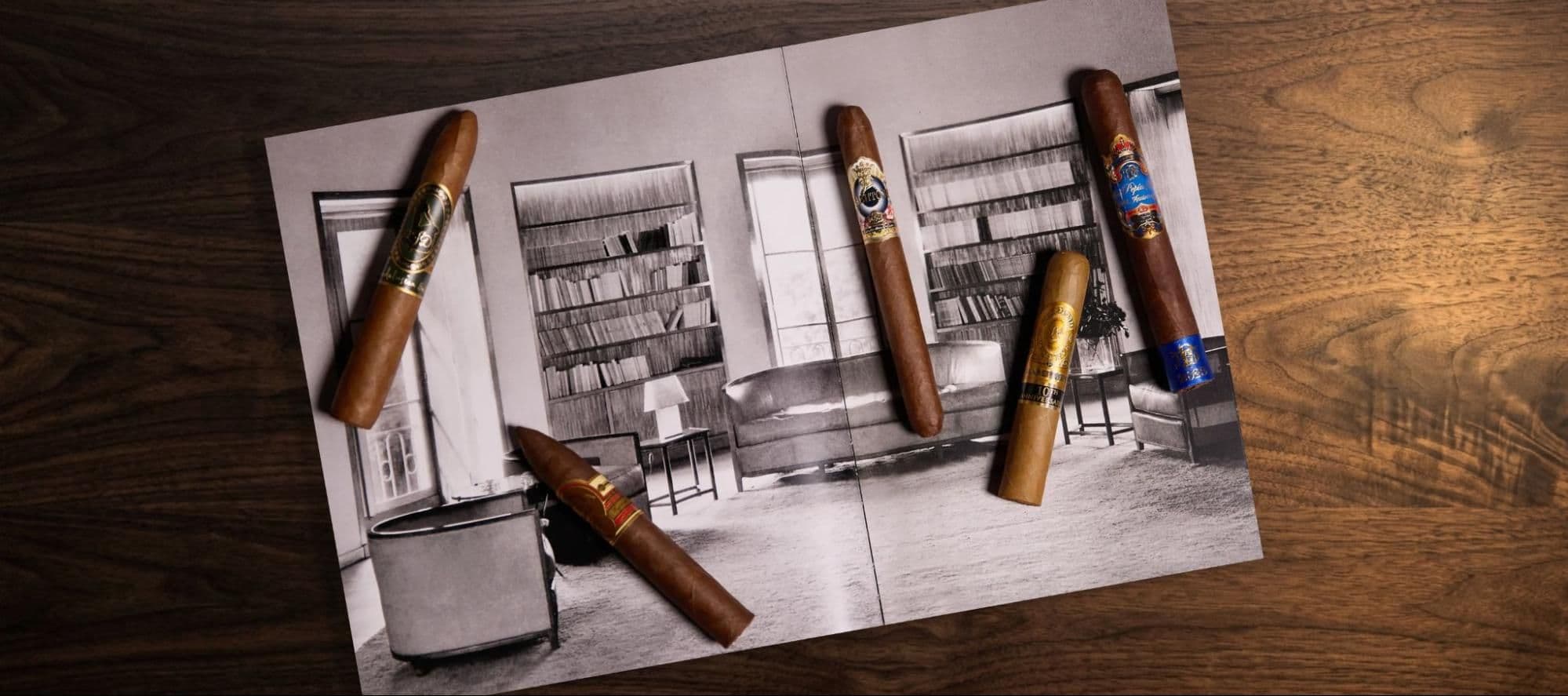
To seriously discuss cigars, it's worth mentioning at the start that they are surrounded by a multitude of myths and stereotypes. Cigars are a living, interesting product with character, and although mentioning them often conjures the image of a distinguished man in a leather armchair with a glass of whiskey, contemplating something great in clouds of smoke, in the modern world, it's enough to simply be a hedonist to enjoy the taste.
So, the cigar is chosen and purchased. Now the most interesting part begins - the ritual. For your first encounter with a cigar to leave only pleasant impressions, it is important to follow a few simple but essential steps. This guide will walk you through the entire journey - from unwrapping to the "dignified death" of the cigar.
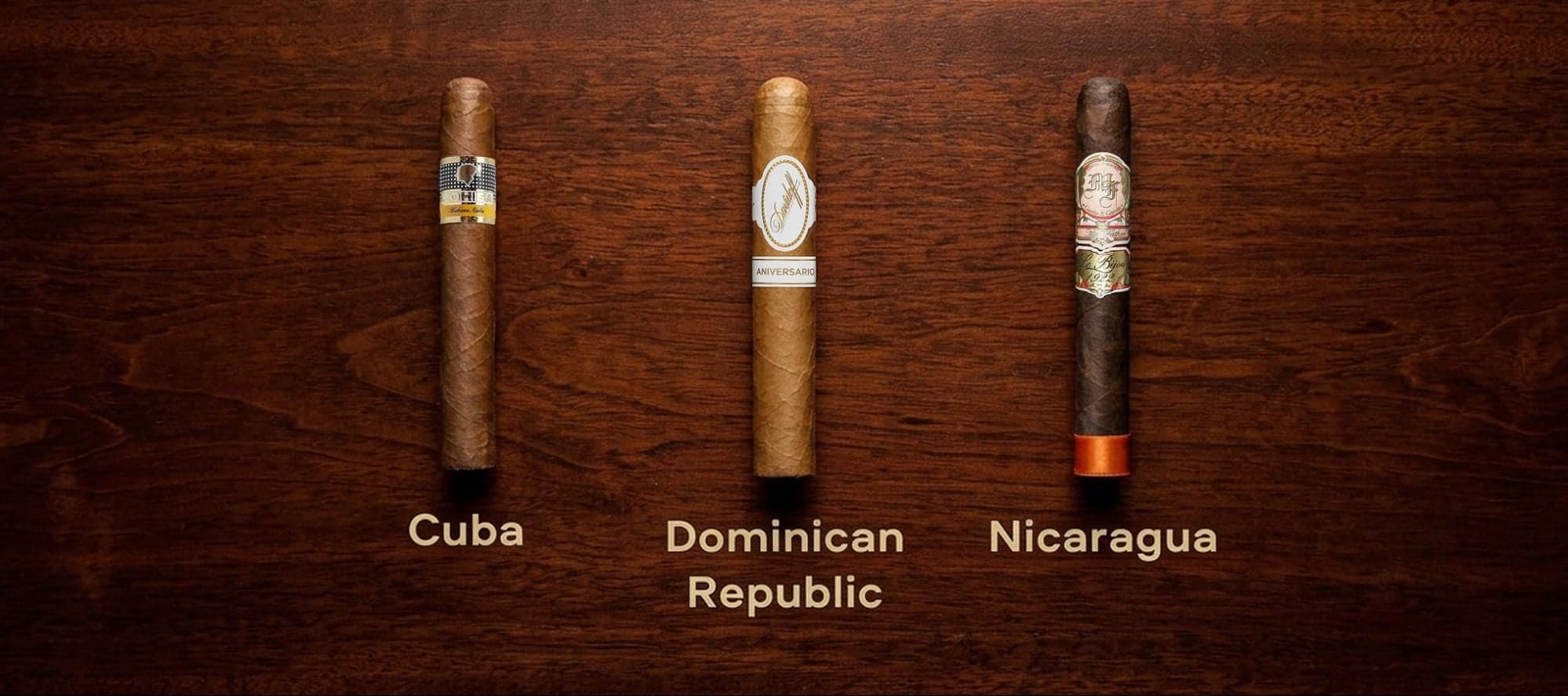
In this lesson we will find out how cigars from different countries differ, and also learn the difference between strength and body.
